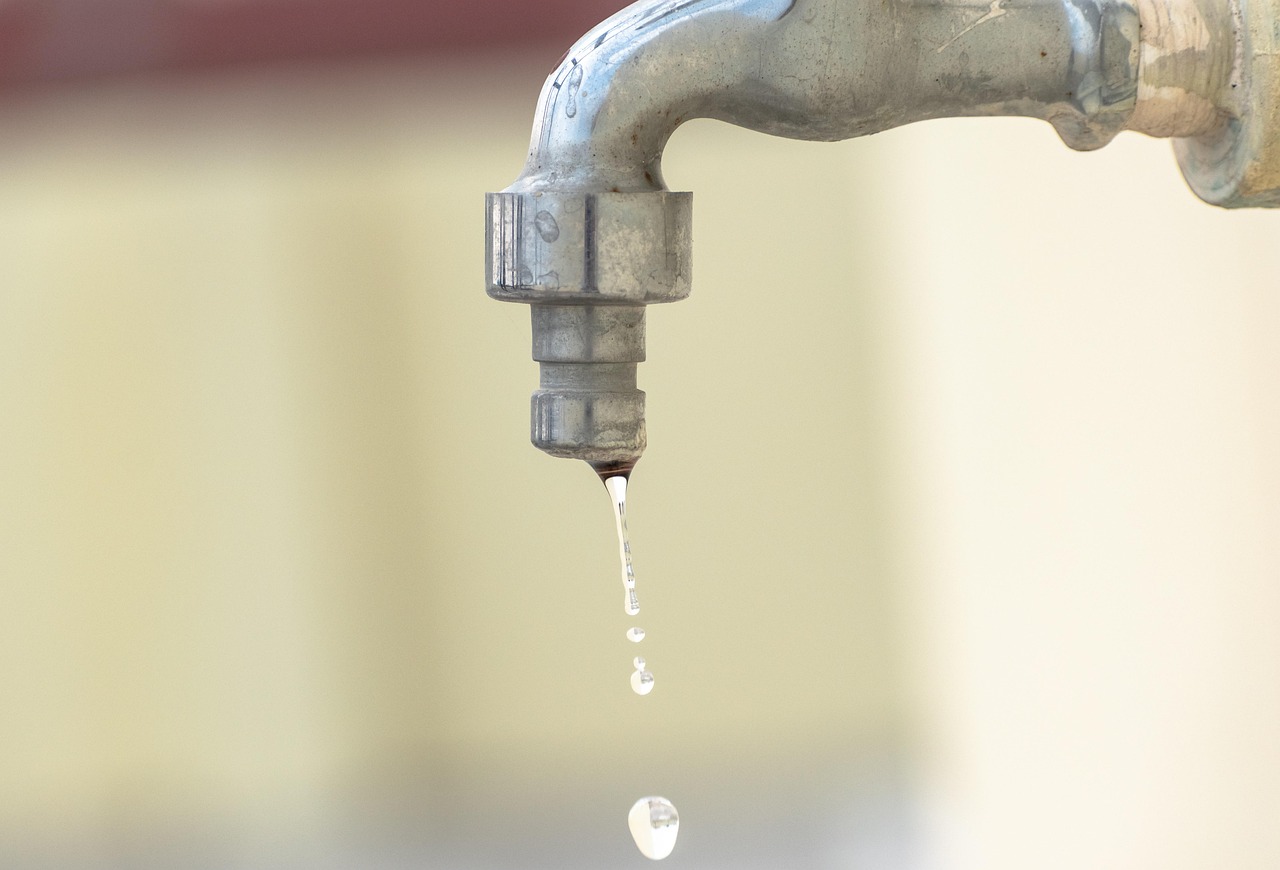
Leaky faucets are a common household nuisance, wasting water and potentially leading to costly damage. In Denver, where water conservation is a priority, addressing these issues promptly is crucial. Whether it's a persistent drip from your kitchen sink or a gushing bathroom faucet, fixing leaky faucets yourself can save you money and reduce water waste. This step-by-step guide, tailored to DIY enthusiasts in Denver, provides comprehensive solutions for common leaky faucet problems, empowering you to tackle these repairs with confidence. By following these instructions, you'll not only save water but also gain valuable skills for future home maintenance.
- Diagnosing the Source of Faucets
- Replacing Faucet Parts: A Step-by-Step Process
- Preventing Future Leaks: Maintenance Tips
Diagnosing the Source of Leaky Faucets
Diagnosing the source of a leaky faucet is a crucial step in any DIY plumbing repair. Understanding the specific type of leak-whether it's a drip from the handle, a steady stream from the spout, or a gushing from the base-is key to selecting the right fix. In Denver, where water conservation is a priority, identifying the leak's origin is especially important to minimize water waste.
Start by examining the faucet components. Many leaks stem from worn-out O-rings or washer cartridges. These parts can be replaced relatively easily using common tools and a trip to a home improvement store like Home Depot Denver. For older faucets, corrosion or damage to the valve seats might be to blame. In these cases, a trip to a specialty plumbing supply store or consultation with a forum like Plumber's Friend can provide guidance. The Local Master Plumbers Association offers valuable resources and referrals for more complex issues.
Sometimes, the leak isn't directly from the faucet itself but from the water lines connecting to it. This could be due to loose connections, corrosion, or even a faulty pressure regulator. Denver Water, the local utility, provides helpful information on common plumbing issues and solutions. If you suspect a line issue, it's best to call a professional plumber, especially if the leak is substantial. Remember, timely diagnosis and repair are crucial. A small leak can quickly turn into a major problem, wasting water and potentially causing damage to your home.
Replacing Faucet Parts: A Step-by-Step Process
When dealing with faucets, understanding the source of the problem is key. Often, the issue lies with worn-out or damaged parts, such as the washer, O-ring, or cartridge. Replacing these components is a common plumbing repair that many DIY enthusiasts in Denver can handle. The process involves a few simple steps and the right tools, ensuring you fix the leak effectively and prevent further damage.
Start by turning off the water supply to the faucet. This is crucial to prevent water from spilling during the repair. Most faucets have two supply lines; locate and identify them. Then, gather the necessary tools: a new faucet washer, O-ring, or cartridge (depending on the type of leak), pliers, and a screwdriver. It's always a good idea to have these essentials on hand for quick plumbing repairs. Next, remove the old parts. This may require some force, but be careful not to damage the faucet further. Once removed, inspect them for wear and tear. After replacing the old parts with new ones, reattach the supply lines and turn on the water. Test the faucet to ensure it's now leak-free.
If the leak persists, consider more complex issues like a faulty valve or a problem with the faucet's internal mechanism. In such cases, it's advisable to consult a local plumber. Denver has numerous resources available, like the Home Depot Denver or the Plumber's Friend online forum, where you can find additional tips and support. Remember, timely action can prevent small leaks from becoming bigger, more expensive problems. Regular maintenance and DIY repairs, when feasible, can save money and help conserve water, a crucial aspect of Denver's water conservation programs.
Preventing Future Leaks: Maintenance Tips
Preventing future leaks is crucial for maintaining your home's plumbing integrity, saving money, and avoiding the hassle of repeated repairs. Regular maintenance can significantly extend the lifespan of your fixtures and pipes, making them less prone to the wear and tear that often leads to faucets. Here are some actionable tips for DIY enthusiasts in Denver to keep your plumbing in top shape.
Start by regularly inspecting all faucets in your home. Look for signs of leaks, such as dripping water or wet spots around the base of the faucet. Addressing leaks early, even if they seem minor, can prevent more significant problems down the line. A small drip from a cartridge or washer can waste hundreds of gallons of water annually, not to mention the potential damage to the surrounding area. If you're comfortable, learn to identify the specific type of leak and the parts that might need replacement, as this knowledge can save you time and money.
Consider setting up a maintenance schedule, similar to what you would do for your car. At minimum, inspect your faucets every few months and replace parts as needed. Regular cleaning of aerators and filters can also help maintain water pressure and prevent clogs. Remember, many hardware stores, including Home Depot Denver, offer advice and sometimes even workshops to help DIYers with plumbing repairs. Engaging with local resources like these can equip you with the knowledge to handle basic plumbing tasks, including leak prevention.
Consider joining or participating in local community programs focused on water conservation and environmental health. Organizations like the Denver Environmental Health Department and local Homeowners Associations (HOAs) often offer resources and tips tailored to Denver's unique plumbing challenges. They may provide incentives for installing water-efficient fixtures, which can further reduce the likelihood of leaks and contribute to a more sustainable Denver.
Frequently Asked Questions About Fixing Leaky Faucets: A Step-by-Step Guide Comprehensive solutions for common leaky faucet problems, targeting DIY enthusiasts in Denver. Search intent: informational.
What is the most common cause of a leaky faucet? Faucets in Denver often result from worn-out or damaged O-rings or washer cartridges. These parts can degrade over time due to mineral buildup, corrosion, or simple wear and tear, leading to water leaks at the base of the faucet or from the spout.
How can I temporarily stop a leaky faucet before I have a chance to fix it? To buy you time, try turning off the water supply to the faucet. In most homes, this can be done by twisting the shut-off valves under the sink counter clockwise. If the leak stops, you have temporarily fixed the issue while you source a replacement part.
Do I need special tools to fix a leaky faucet, or can I do it with what's in my kitchen drawer? Most leaky faucet repairs can be accomplished with common household tools like pliers, a wrench, and a screwdriver. However, some faucets may require specific tools like an adjustable wrench or a faucet key. It's always a good idea to check your tool kit or the instructions that came with your faucet before starting.
Is it better to replace the whole faucet or just the damaged parts? The choice between replacing the whole faucet or just the damaged parts depends on the severity of the problem. If the leak is isolated to a single part, like the washer or O-ring, replacing just that component is often the most cost-effective solution. However, if the faucet is old or the damage is widespread, it might be more economical to install a new faucet entirely.
What are some signs that I should call a professional plumber instead of attempting to fix the leak myself? If the leak is coming from the base of the faucet or the spout, or if the faucet has been leaking repeatedly despite your best efforts, it's best to call a professional. Persistent leaks can indicate deeper issues that require specialized knowledge and tools to address. If you're unsure about any aspect of the repair, a licensed plumber can offer expert guidance and ensure the job is done right.
In tackling the common problem of faucets, Denver DIY enthusiasts now have a comprehensive toolkit at their disposal. By understanding the various causes, from worn-out O-rings to faulty cartridges, and employing the right replacement parts, homeowners can effectively fix leaks. The step-by-step process, detailed in this guide, empowers individuals to take control of their plumbing repairs, saving time and money. Implementing preventive maintenance, such as regular cleaning and checking for leaks, can significantly reduce the likelihood of future issues.
The City of Denver's Water Conservation Program and local Homeowners Associations (HOAs) also play crucial roles in promoting water efficiency and community education. Through these combined efforts, Denver is better equipped to address faucets, ensuring a more sustainable and cost-effective approach to plumbing maintenance.
References
- Parroquia 23 de Enero (Caracas ) - Wikipedia , la enciclopedia ... — es.wikipedia.org
- File: Parroquia 23 de enero - libertador .svg - Wikimedia — commons.wikimedia.org