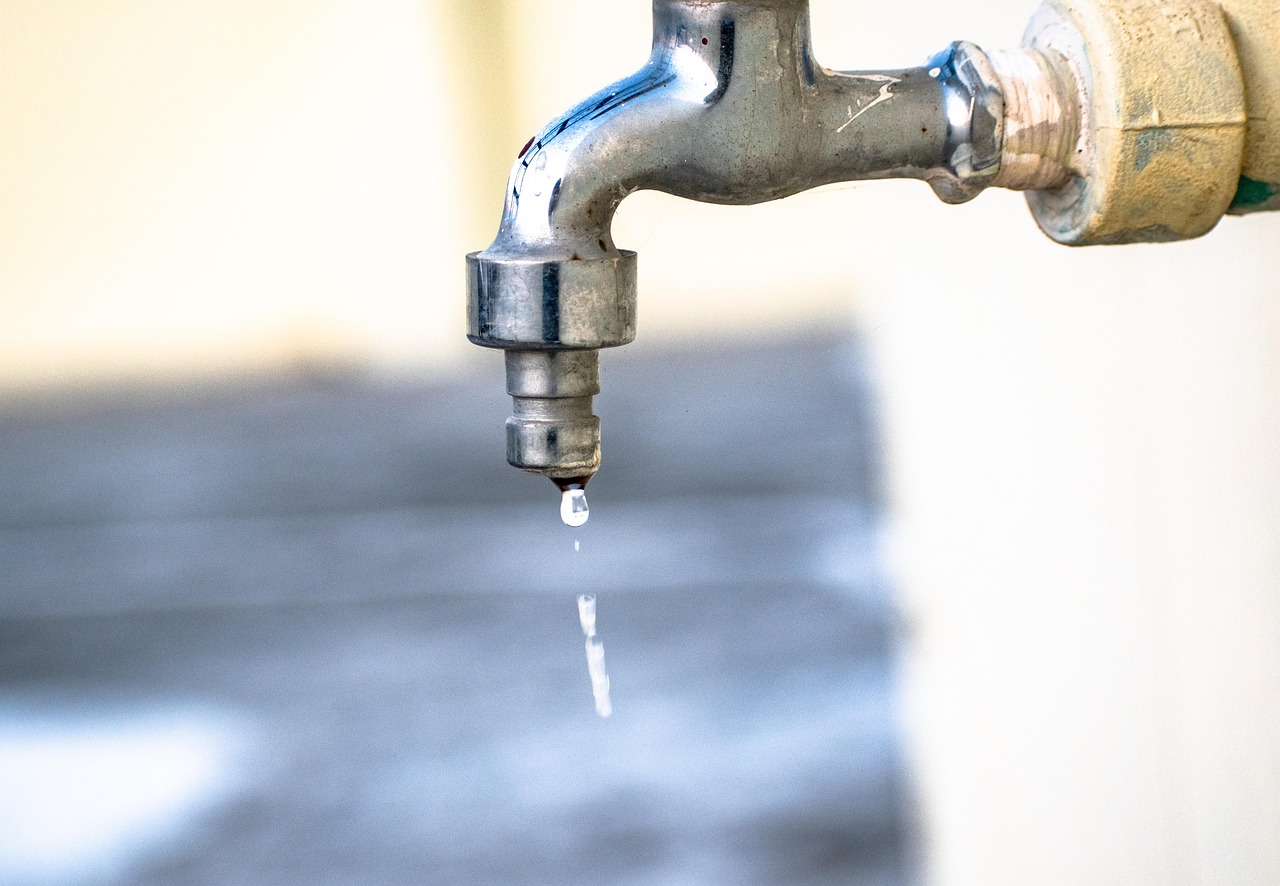
Leaky Faucets Solutions: A Comprehensive Analysis
Introduction
In the realm of water management and sustainability, "leaky-faucets-solutions" emerge as a critical concept, addressing a seemingly mundane yet significant global challenge—water leakage in residential and commercial buildings. This article delves into the intricacies of this issue, exploring various aspects that contribute to its importance and the strategies employed to mitigate it. By examining historical context, global impact, economic implications, technological innovations, and the role of policies, we aim to provide a holistic understanding of leaky faucets solutions and their far-reaching effects.
Understanding Leaky Faucets Solutions
Definition and Core Components
Leaky faucets solutions, at its core, refers to a set of practices, technologies, and policies aimed at identifying and repairing water leaks within plumbing systems, with a primary focus on faucets. Water leaks, especially in older buildings, can lead to substantial water wastage and, consequently, significant economic and environmental losses. The solutions involve a multi-faceted approach, including:
- Inspection and Detection: Employing advanced technologies like smart sensors, thermal imaging, and acoustic devices to identify leaks undetectable by traditional means.
- Repairs and Maintenance: Regular maintenance programs that include fixing leaks promptly, replacing worn-out parts, and ensuring proper plumbing installations.
- Water Conservation: Implementing strategies to reduce water consumption, such as low-flow fixtures, dual-flush toilets, and water-efficient appliances.
- Policy and Awareness: Developing regulatory frameworks and public awareness campaigns to promote water conservation and responsible plumbing practices.
Historical Context
The concept of leaky faucets solutions is not new, with efforts to address water wastage dating back to ancient civilizations. However, the modern context emerged in the late 20th century with growing environmental concerns and the realization of the impact of water leaks on water resources. The 1970s and 1980s saw the introduction of water conservation regulations and the development of more efficient plumbing fixtures. Over time, technological advancements have played a pivotal role in enhancing leak detection and repair capabilities.
Global Impact and Trends
International Influence
Leaky faucets solutions have a profound global impact, with water leaks contributing to a significant loss of freshwater resources. According to the World Bank, water leakage in cities worldwide costs an estimated $20-30 billion annually. This issue is particularly critical in water-scarce regions, where every drop of water is precious. For instance, in the Middle East and North Africa (MENA) region, water leaks lead to an average loss of 25-30% of the total water supplied, according to a 2020 report by the International Monetary Fund (IMF).
Regional Trends
Global trends in leaky faucets solutions vary across regions:
- North America and Europe: These regions have a higher adoption rate of water conservation technologies and stringent regulations. For example, California's 2009 passage of the Water Conservation Act led to significant advancements in leak detection and water-efficient fixtures.
- Asia-Pacific: Rapid urbanization and increasing water demand drive the need for leaky faucets solutions in this region. China, in particular, has made substantial strides in water conservation, with a focus on efficient plumbing systems in new constructions.
- Middle East and Africa: Here, the focus is often on emergency repairs and emergency water supplies due to frequent droughts and water scarcity.
Economic Considerations
Market Dynamics
The leaky faucets solutions market is a significant segment of the global water conservation industry, valued at over $15 billion in 2022 and projected to grow at a CAGR of 7% from 2023 to 2030. This growth is driven by increasing water scarcity, rising energy costs, and growing environmental awareness. Key market players include technology providers, plumbing contractors, and water utility companies.
Investment Patterns
Investment in leaky faucets solutions is influenced by various factors:
- Public-Private Partnerships: Many cities are partnering with private companies to improve water infrastructure and reduce leaks, leading to substantial investments.
- Government Subsidies: Governments worldwide offer incentives and grants to encourage the adoption of water-efficient technologies and practices.
- Utility Company Initiatives: Water utility companies invest in leak detection and repair programs as a cost-effective means of maintaining water supplies.
Economic Impact
The economic benefits of leaky faucets solutions are multifaceted:
- Water Cost Savings: For households and businesses, reducing water leaks can lead to significant savings on water bills.
- Reduced Environmental Impact: Minimizing water waste contributes to the sustainability of local water resources and reduces the strain on treatment facilities.
- Job Creation: The market for plumbing services and water conservation technologies supports employment in skilled trades and technology development.
Technological Advancements
Leak Detection Technologies
Advancements in technology have revolutionized leak detection:
- Smart Sensors: These devices, installed in plumbing systems, can detect even minor leaks and transmit real-time data to maintenance teams.
- Thermal Imaging: Infrared cameras help visualize water leaks by identifying areas with temperature variations, making detection faster and more accurate.
- Acoustic Devices: These tools use sound waves to pinpoint leak locations, especially in hard-to-reach areas.
Water-Efficient Fixtures and Appliances
Innovations in water-efficient technology include:
- Low-Flow Faucets: Modern faucets use advanced aeration techniques to maintain water pressure while reducing flow rates.
- Smart Toilets: These toilets use sensors and advanced flushing mechanisms to minimize water usage, with some models adapting to user preferences.
- Dual-Flush Technology: This feature allows users to choose between full and half-flush, significantly reducing water consumption.
Data Analytics and IoT (Internet of Things)
The integration of data analytics and IoT in leaky faucets solutions enables:
- Predictive Maintenance: By analyzing large datasets, predictive models can forecast equipment failures, allowing for proactive maintenance and leak prevention.
- Remote Monitoring: IoT devices enable real-time monitoring of plumbing systems, allowing for rapid response to potential leaks.
- Energy Efficiency: Smart buildings can optimize water and energy usage, leading to further cost savings.
Policy and Regulation
Governance and Frameworks
The development and implementation of leaky faucets solutions are governed by various policies and regulations:
- National Water Conservation Laws: Many countries have enacted laws mandating water-efficient practices, leak detection programs, and regular plumbing inspections.
- Local Building Codes: These codes dictate plumbing standards, including water-efficient fixtures and leak detection requirements, for new constructions and renovations.
- Environmental Regulations: Regulations often focus on reducing water pollution and promoting sustainable water use, with penalties for non-compliance.
Legislative Influences
Legislative bodies worldwide have played a crucial role in shaping leaky faucets solutions:
- California's Proposition 20 (2018): This proposition mandated the installation of water-efficient fixtures in new buildings, setting a benchmark for water conservation.
- EU's Water Framework Directive (2000): This directive focuses on achieving good water status, including measures to reduce water leaks and improve water management.
- Australia's Water Efficiency Labelling and Standards Program: This program requires manufacturers to label water-efficient products, helping consumers make informed choices.
Challenges and Criticisms
Main Challenges
Despite the widespread benefits, leaky faucets solutions face several challenges:
- Cost and Funding: Initial costs for implementing leak detection systems and water-efficient technologies can be high, especially for low-income households and small businesses.
- Lack of Awareness: In some regions, limited public awareness about water conservation and leak prevention hinders the adoption of solutions.
- Complex Infrastructure: Old plumbing systems in existing buildings can be challenging and costly to retrofit with new leak detection and water-efficient technologies.
Criticisms and Overcoming Strategies
Criticisms of leaky faucets solutions include:
- Inefficient Implementation: Some programs have been criticized for focusing on low-hanging fruits rather than addressing systemic issues, leading to limited long-term impact.
- Data Privacy Concerns: The collection and analysis of water usage data raise privacy issues, requiring robust data protection measures.
To overcome these challenges, strategies include:
- Public-Private Partnerships: Collaborating with private sector experts can bring innovative solutions and cost-sharing opportunities.
- Incentivized Programs: Governments can offer financial incentives and grants to encourage the adoption of water-efficient technologies.
- Community Engagement: Educating and involving communities in water conservation efforts can foster a sense of responsibility and ownership.
Case Studies
Case Study 1: Singapore's Water Conservation Efforts
Singapore, a water-scarce city-state, has been a pioneer in leaky faucets solutions. The Public Utilities Board (PUB) has implemented a multi-pronged approach:
- Water Conservation Campaigns: Educating the public about water conservation and promoting responsible plumbing practices.
- Smart Water Grid: Using smart meters and sensors to monitor water usage in real-time, allowing for rapid leak detection and repair.
- Reclaiming and Recycling: Singapore recycles over 70% of its used water, providing a sustainable water source.
These efforts have resulted in Singapore achieving one of the highest per capita water use efficiencies globally, with water leaks reduced by over 50% since 2010.
Case Study 2: Los Angeles' Leaky Faucet Repair Program
Los Angeles, California, launched a comprehensive leak repair program, aiming to reduce water waste by 10% by 2020. The program included:
- Community Outreach: Educating residents about water conservation and providing financial assistance for leak repairs.
- Incentivized Repairs: Offering rebates for repairing leaks, with higher incentives for more significant savings.
- Partnerships with Plumbers: Collaborating with local plumbers to ensure efficient and cost-effective leak repairs.
By 2022, the program had repaired over 150,000 leaks, saving an estimated 1.2 billion gallons of water annually.
Future Prospects
Growth Areas
The future of leaky faucets solutions holds significant growth potential:
- Smart Cities: The integration of water conservation technologies into smart city infrastructure will lead to more efficient and responsive water management.
- Renewable Energy and Water: As renewable energy sources become more prevalent, their integration with water systems can create sustainable, off-grid water solutions.
- Digitalization and Data Analytics: Advanced data analytics and machine learning will enable more precise leak detection and predictive maintenance.
Emerging Trends
Emerging trends include:
- AI-Driven Maintenance: Artificial intelligence will play a pivotal role in predicting and preventing leaks, optimizing water distribution systems, and personalizing water conservation advice.
- Blockchain for Water Management: Blockchain technology can enhance transparency and traceability in water transactions, improving water ownership and conservation.
- Community-Based Water Conservation: Encouraging community engagement and peer-to-peer learning for water conservation practices.
Strategic Considerations
To capitalize on these prospects, key strategic considerations include:
- Collaboration and Partnerships: Bringing together governments, utilities, technology providers, and communities to share resources and expertise.
- Data-Driven Decision Making: Utilizing data analytics to inform policy and program design, ensuring resources are allocated to areas of greatest need.
- Education and Awareness: Continuing to educate the public about water conservation, fostering a culture of responsible water use.
Conclusion
Leaky faucets solutions represent a critical intersection of water conservation, technology, and policy. As the global water crisis intensifies, the need for efficient water management becomes increasingly urgent. This article has explored the multifaceted nature of leaky faucets solutions, from historical context and global trends to economic considerations and technological advancements. By addressing challenges and presenting successful case studies, we have highlighted the potential for significant impact.
Looking ahead, the future of leaky faucets solutions is promising, with smart cities, renewable energy integration, and advanced data analytics poised to revolutionize water management. As we continue to navigate the complexities of water scarcity, these solutions will be essential in ensuring a sustainable water future for communities worldwide.
FAQ Section
Q: How much water can a leaky faucet waste over time? A: A single leaky faucet can waste hundreds of gallons of water annually. For example, a leak losing 1 drop per second can waste up to 270 gallons per year, equivalent to the water used by an average family in a month.
Q: What is the primary goal of leaky faucets solutions? A: The primary goal is to reduce water waste by identifying and repairing leaks, promoting water conservation, and ensuring efficient water use in homes, businesses, and public spaces.
Q: Are there any legal obligations for homeowners regarding leaky faucets? A: Yes, many regions have laws or building codes that require homeowners to maintain plumbing systems, including repairing leaks, to prevent water waste and ensure water system integrity.
Q: How can I reduce water waste in my home besides fixing leaks? A: You can further reduce water waste by installing water-efficient fixtures, adopting water-saving habits (like turning off the tap while brushing), and using appliances that use water efficiently.
Q: What role does technology play in modern leaky faucets solutions? A: Technology plays a pivotal role, offering advanced leak detection through sensors and analytics, smart water meters, and automated repair systems, enhancing efficiency and cost-effectiveness.
Category: leaky-faucets-solutions