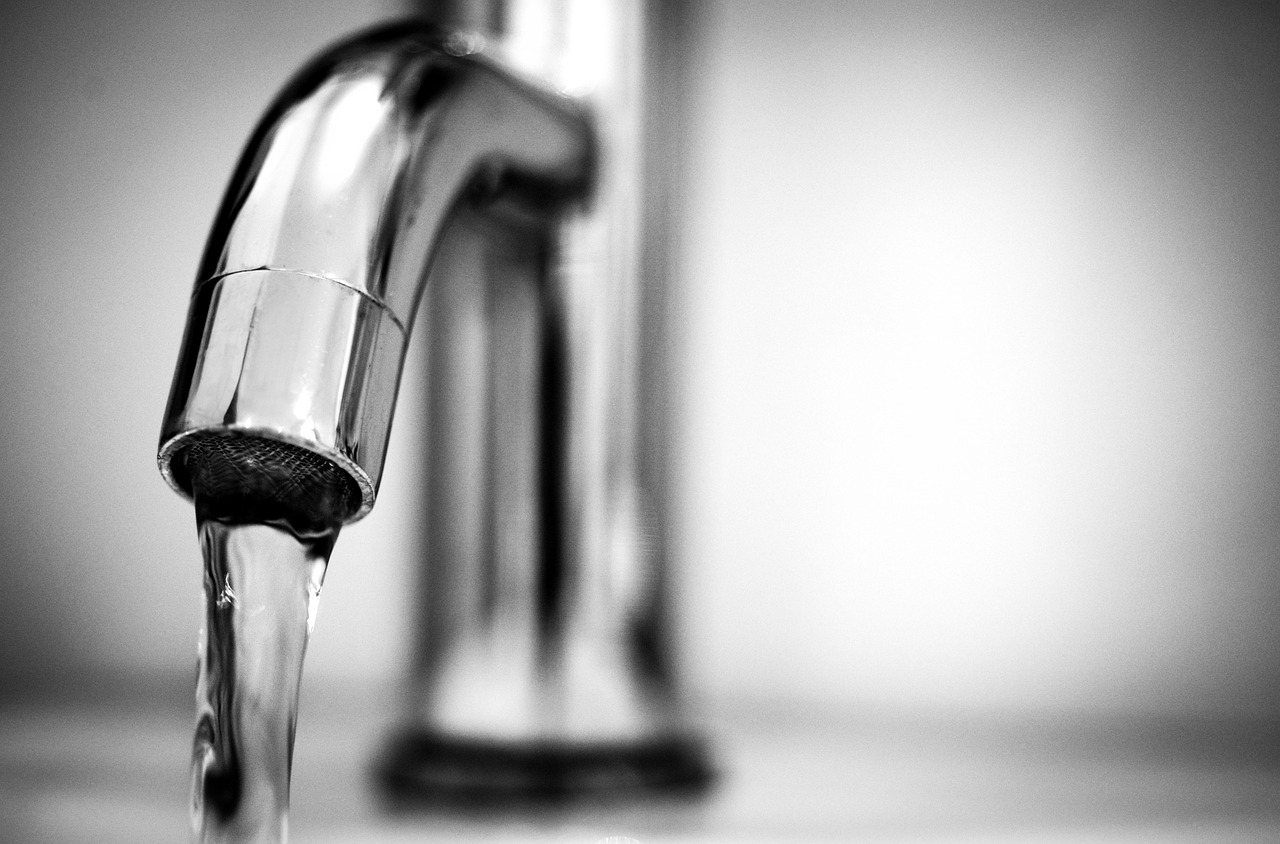
In the bustling city of Denver, leaky faucets are more than just a nuisance; they represent a significant waste of water and can signal larger plumbing issues. Addressing these leaks promptly is crucial, both for your comfort and the environment. As a DIY enthusiast, you have the power to fix these problems yourself, saving time and money. This practical guide is designed to empower you with the knowledge and step-by-step instructions to tackle leaky faucets head-on. We'll draw from resources like Home Depot Denver, Plumber's Friend forums, and Denver Water's conservation tips, combining expert advice with practical, accessible solutions. Get ready to turn that drip into a drop of savings.
- Identifying Leaky Faucet Sources: Common Causes in Denver
- Step-by-Step Repair: Fixing Faucets for DIYers
- Preventing Future Leaks: Maintenance Tips for Denver Homes
Identifying Leaky Faucet Sources: Common Causes in Denver
Faucets are a common household frustration, but understanding their causes can empower Denver residents to tackle the problem head-on. Identifying the source of a leak is the first step in effective plumbing repairs. In Denver, various factors can contribute to faucets, from worn-out washers to faulty valve cartridges.
One of the most prevalent issues involves the faucet's cartridge, which controls the water flow and temperature. Over time, these cartridges can degrade, resulting in leaks at the base of the faucet or from the spout. Homeowners can check for leaks by turning off the water supply under the sink and observing if the faucet continues to drip. If a leak persists, it's often best to consult a local plumbing expert, such as those found through the Denver Water or Local Master Plumbers Association.
Another common source of leaks is the faucet's washer, which controls the water flow. Worn-out washers can lead to continuous dripping or a slow, steady leak. DIY enthusiasts can easily replace these components using supplies from home improvement stores like Home Depot Denver. Online forums, such as Plumber's Friend, offer detailed step-by-step guides for various leaky faucet repairs, making the process more accessible. The City of Denver Water Conservation Program provides valuable resources and tips for homeowners looking to conserve water and address leaks efficiently.
Step-by-Step Repair: Fixing Leaky Faucets for DIYers
Fixing faucets is a common DIY plumbing repair that many homeowners in Denver tackle as part of regular maintenance. While it might seem daunting at first, with the right tools and a step-by-step approach, you can efficiently address this issue. This section provides a detailed guide for tackling faucets yourself, saving you time and money.
Assess the Situation: Before starting any repair, it's crucial to identify the type and location of the leak. Faucets can stem from various sources, such as the handle, base, or spout. Inspect the faucet thoroughly, noting the water discharge rate and any visible signs of damage. This knowledge will guide your repair process. A slow drip might require a simple washer replacement, while a gushing leak could indicate a more complex issue with the valves or pipes.
Gather Your Tools: A successful DIY plumbing repair relies on the right tools. For leaky faucet repairs, you'll typically need a wrench or pliers for gripping tight connections, a screwdriver for accessing internal components, and a new washer or O-ring as a replacement part. Visit a trusted local hardware store like Home Depot Denver or the Plumber's Friend online forum for expert advice on the best tools and parts to purchase. Remember, using the correct tools ensures a secure and lasting repair.
Step-by-Step Repair Process:
- Shut Off the Water Supply: Before beginning any work, turn off the water supply to prevent unexpected flooding. In Denver, the water supply shut-off location is often near the faucet.
- Remove the Faucet Handle: Depending on your faucet design, unscrew or pop off the handle. This step provides access to the internal components.
- Identify and Replace Worn Parts: Inspect the internal parts, especially the washer or O-ring. If these are worn or damaged, replace them. This simple fix is often the culprit behind faucets.
- Reassemble and Test: Once the new parts are in place, carefully reassemble the faucet and turn on the water supply. Check for leaks, and if the faucet is dry, you've successfully repaired the leak.
- Seek Professional Help If Necessary: If the leak persists or you encounter complex issues, don't hesitate to contact a professional plumber. The Denver Water utility also provides valuable resources and can connect you to licensed professionals.
Preventing Future Leaks: Maintenance Tips for Denver Homes
To prevent future leaks and keep your Denver home in top shape, regular maintenance is key. The good news is that many leaky faucet issues can be easily avoided with a few simple, proactive steps. Regular checks and minor adjustments can save you from costly plumbing repairs and the hassle of unexpected leaks.
Start by inspecting your faucets for any signs of wear or damage. This includes checking for loose connections, corroded parts, and worn-out gaskets or O-rings. A visual inspection can often reveal problem areas, but if you're unsure, don't hesitate to consult a local plumbing expert. The DoItYourself.com website offers detailed guides for various plumbing repairs, and forums like Plumber's Friend can provide community insights.
Regular cleaning and lubrication of faucet components can also prevent leaks. Remove the faucet handle and clean the parts with a mixture of baking soda and water, then rinse thoroughly. Lubricate the valves and moving parts with a silicone-based lubricant to ensure smooth operation. Denver's Home Depot stores carry a wide range of plumbing supplies, including lubricants and repair kits suitable for DIY enthusiasts. Remember, catching potential issues early, whether it's a loose connection or worn parts, can save you from more complex (and pricier) repairs down the line.
Frequently Asked Questions About Fixing Leaky Faucets: A Step-by-Step Guide Comprehensive solutions for common leaky faucet problems, targeting DIY enthusiasts in Denver. Search intent: informational.
What is the most common cause of faucets? Faucets are often due to worn-out or damaged O-rings or washers inside the faucet. Over time, these parts can degenerate from normal wear and tear, allowing water to leak out from around the handle or spout. Rust and mineral buildup can also contribute to leaks, especially in hard water areas.
How do I determine if the leak is coming from the handle or the spout? To identify the source of the leak, close the faucet tightly. Then, slowly turn on each handle separately. If water drips after the handle is released, the problem is likely with the handle. If water leaks continuously when the spout is touched, the issue is with the spout.
What tools do I need to fix a leaky faucet? For most DIY repairs, you'll need basic tools like a wrench or pliers for gripping and turning parts, a screwdriver for accessing internal components, and possibly a new set of O-rings or washers as replacements. Have a bucket ready to catch any water that may spill during the repair.
Can I temporarily stop a leak while waiting for a replacement part? Yes, applying a tight seal around the faucet's base with a water-tight plumber's tape or caulk can temporarily stop a leak. However, this is only a stopgap measure. For a permanent fix, it's best to replace the faulty parts, such as the O-rings or washers, as soon as possible.
What should I do if the leaky faucet is in my bathroom, where water damage could be significant? In a bathroom, it's crucial to address leaks promptly to prevent water damage to flooring and walls. Turn off the water supply to the faucet at the main shutoff valve beneath the sink. If you're not comfortable shutting off the water yourself, contact a professional plumber in Denver for assistance.
Addressing faucets in Denver requires a multi-faceted approach. By understanding the common sources and causes, DIY enthusiasts can effectively fix these issues with the right tools and knowledge. The step-by-step repair guide provided offers a practical, hands-on solution for immediate problems, while preventive maintenance tips offer long-term protection. Engaging with local resources, such as the City of Denver Water Conservation Program and the Local Master Plumbers Association, can further enhance skills and stay informed about best practices. Whether through online forums like Plumber's Friend or seeking professional advice, tackling faucets is a crucial step in maintaining Denver's water infrastructure, saving money, and promoting environmental stewardship.
References
- Skin care - Wikipedia — en.wikipedia.org
- Energías renovables : qué son, tipos, ventajas y datos 2026 — www.energias-renovables.org