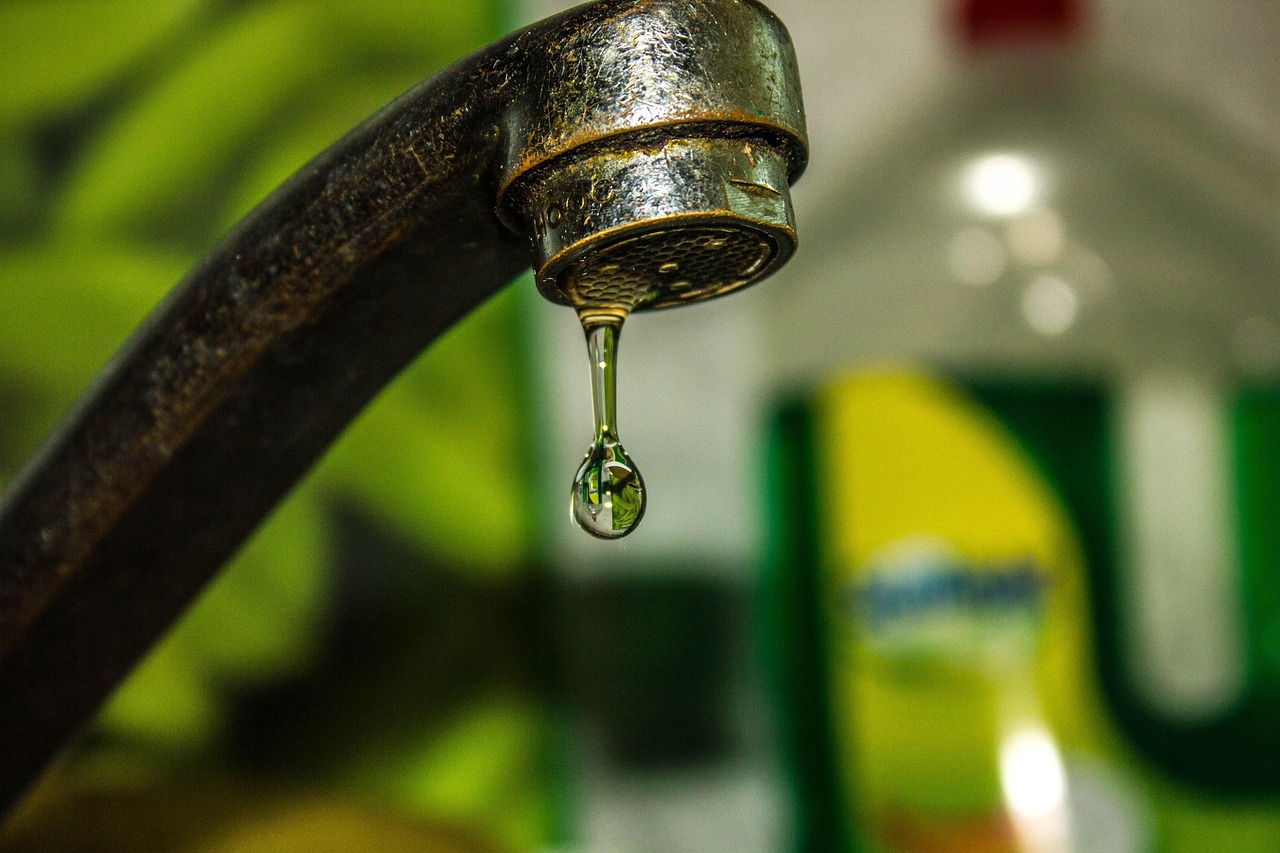
Leaky faucets are a common household nuisance, wasting precious water and potentially driving up utility bills. In Denver, where water conservation is a top priority, addressing these leaks promptly is not just ecologically responsible but also economically sensible. This guide, tailored for DIY enthusiasts, offers a comprehensive step-by-step approach to fixing leaky faucets. Leveraging resources from trusted local sources like Home Depot Denver, the Plumber's Friend online forum, and Denver Water, we'll walk you through common causes, effective solutions, and expert tips. Whether you're dealing with a slow drip or a gushing leak, this article will empower you to tackle the problem head-on, saving time, money, and water.
- Diagnosing the Source of Faucets
- Replacement Parts and Tools for Repair
- Step-by-Step Guide to Faucet Fixation
Diagnosing the Source of Leaky Faucets
Identifying the root cause of a leaky faucet is key to successful DIY plumbing repairs. Faucets can stem from a variety of issues, each demanding a different approach. Start by observing the type of leak. Is it a constant drip, a gushing sound, or an intermittent leak? The answer can guide you to the culprit. A steady drip often indicates a worn washer or seal inside the faucet, while a sudden gush may signal a damaged or loose supply line.
Next, check the faucet's components. Many faucets have easily accessible parts that can be inspected and replaced. Look for signs of corrosion, wear, or damage on the handle, spout, and base of the faucet. Inspect the O-rings, washers, and valve seats for any debris or signs of erosion. These parts are common wear points and often require replacement during leaky faucet repairs.
If the problem persists, consider more complex issues. A leaky faucet could be caused by faulty valves, low water pressure, or even a faulty water supply line. In such cases, it's best to consult with a local plumbing expert. Denver's local plumbing community, including resources like Home Depot Denver, the Plumber's Friend online forum, and local master plumbers associations, offer valuable advice and support. Denver Water, the local utility, provides helpful information on their website for residents tackling plumbing repairs. Even 24/7 services like Plumbing Doctor can be a valuable resource for urgent situations.
Remember, proper diagnosis is crucial for effective DIY plumbing repairs. By understanding the nature of the leak and identifying the source, you can tackle the issue confidently, saving time, money, and potentially preventing further damage.
Replacement Parts and Tools for Repair
For faucets, the first step towards repair is often understanding the problem and having the right tools and replacement parts on hand. For DIY enthusiasts in Denver, this means being equipped to identify the source of the leak and acquire the necessary components to fix it. Common issues include worn-out O-rings, cartridge failures, or damaged faucet handles.
One of the most effective and cost-saving strategies is to replace the faucet's cartridge or O-rings. Cartridge-based faucets are prevalent in many Denver homes, and their repair is a straightforward DIY project. You can find detailed instructions and videos on platforms like DoItYourself.com, which guide you through the process step-by-step. Remember, the key to successful plumbing repairs is patience and precision. Always turn off the water supply before starting to avoid leaks or flooding.
For more complex leaks, involving damaged valves or other parts, professional assistance from a Denver Plumbing Expert or 24/7 service like Plumbing Doctor might be required. The Local Master Plumbers Association can be a valuable resource for finding reputable contractors. While these repairs may be more involved, having the right tools makes the process smoother. Basic tools like adjustable wrenches, pliers, and a new set of O-rings or cartridges are often all that's needed. Local community workshops and programs, such as the City of Denver Water Conservation Program, can also offer guidance and tips on efficient plumbing repairs.
Step-by-Step Guide to Faucet Fixation
Fixing a leaky faucet is a common DIY plumbing repair that can save you money and reduce water waste. The process can seem daunting, but with the right tools and a systematic approach, most faucets can be repaired successfully. Here's a breakdown of the steps involved, tailored for the DIY enthusiast in Denver.
Start by gathering the necessary tools and supplies. For most faucets, you'll need a new faucet washer or O-ring, a screwdriver, pliers, and possibly some plumber's tape. Familiarize yourself with your faucet's design; single-handle faucets and two-handle faucets often have different repair processes. Turn off the water supply under the sink before beginning. Remove the existing faucet handle and inspect the components. The source of the leak is usually the washer or O-ring, which can be replaced easily. Clean the affected areas, ensuring no debris is present before reinstallation. Reassemble the faucet, tightening components securely but carefully to avoid over-tightening.
If the problem persists, consider more complex issues like damaged or worn out valve seats or cartridge problems. If you've replaced the washer or O-ring multiple times and the leak continues, consult a local plumbing expert. They can identify and repair more intricate faucet problems, ensuring your leaky faucet is fixed once and for all. Remember, while DIY repairs can be cost-effective, some issues are best left to professionals, especially in older homes or complex plumbing setups.
Frequently Asked Questions About Fixing Leaky Faucets: A Step-by-Step Guide Comprehensive solutions for common leaky faucet problems, targeting DIY enthusiasts in Denver. Search intent: informational.
What are the most common causes of faucets? Faucets often result from worn-out or damaged parts, such as the washer, O-ring, or cartridge. Hard water and mineral buildup can also contribute to leaks. In some cases, improper installation or loose connections can cause leaks. Regular maintenance and timely replacement of these parts can prevent or stop leaks.
How do I know if I can fix a leaky faucet myself? Most faucets can be repaired by homeowners with basic DIY skills. Simple repairs, like replacing a washer or O-ring, can be done in less than an hour. However, if the leak is complex, involves a unique fixture, or persists after basic repairs, it's best to consult a professional plumber to avoid further damage.
What tools do I need to fix a leaky faucet? Common tools for leaky faucet repairs include a wrench, pliers, and a new washer, O-ring, or cartridge. In some cases, you may need an adjustable wrench, a screwdriver, or a plumbing tape. Having a bucket and rags nearby is also recommended to catch any water that may spill during the repair process.
How long does it typically take to fix a leaky faucet? Most faucet repairs take less than two days, depending on the issue and your DIY experience. Simple repairs, like replacing a washer, usually only take about an hour. More intricate fixes, such as replacing the whole cartridge or adjusting the plumbing, can extend the process.
Should I turn off the water supply before fixing a leaky faucet? Yes, it's crucial to shut off the water supply before beginning any faucet repair. This prevents water from continuing to flow and helps you work safely and effectively. In most homes, the water supply to the faucet is controlled by a valve under the sink or behind the faucet. Turn this valve clockwise to shut off the water.
Tackling faucets is a manageable DIY project for Denver residents, as evidenced by the diverse resources available. By understanding the common causes and employing the right tools, you can effectively fix most leaky faucet issues. The step-by-step guide in this article offers a practical approach, ensuring that even first-time repairers can achieve success. Key takeaways include identifying the source of the leak, gathering the necessary replacement parts, and using the correct tools to complete the repair. The City of Denver Water Conservation Program and local Homeowners Associations can provide additional tips and support. Proactive measures and informed actions can prevent or quickly resolve faucets, saving water and money in the long run.