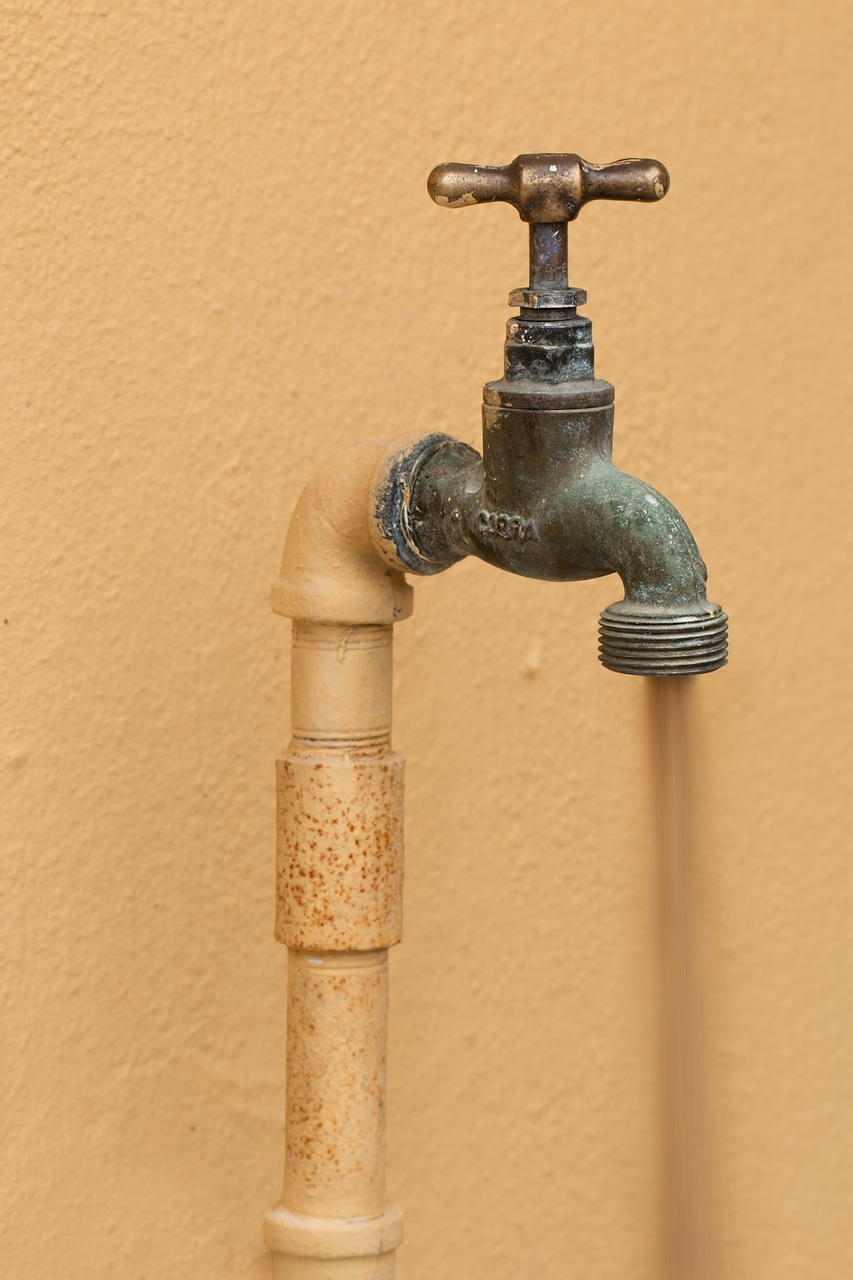
Leaky faucets aren't just a nuisance, they can waste water and cost you money. In Denver, where water conservation is paramount, addressing these issues promptly is crucial. Whether you're a seasoned DIYer or a novice, this step-by-step guide offers practical solutions for fixing faucets. We'll walk you through common problems, from minor leaks to complex repairs, drawing on resources available in the Denver area, including local hardware stores like Home Depot Denver, online forums like Plumber's Friend, and utilities like Denver Water. By the end, you'll be equipped to tackle faucets head-on, saving both water and your hard-earned cash.
- Diagnosing Faucets: Common Causes and Issues
- Step-by-Step Repair Guide: Fixing Leaky Taps
- Preventive Measures: Stopping Faucets in Future
Diagnosing Leaky Faucets: Common Causes and Issues
Faucets are a common household issue, but understanding the root causes is the first step to effective DIY plumbing repairs. In Denver, where water conservation is a priority, addressing faucets not only saves water but also saves money on utility bills. The most common types of faucets include worn-out washer and valve stems, damaged O-rings, and faulty aerators.
A steady drip from the faucet may indicate a worn washer or O-ring, which can be easily replaced. The washer is the small circular piece at the base of the faucet stem, and the O-ring is a rubber seal that prevents water from leaking around the stem. If the leak is coming from the base of the faucet, the valve stem or cartridge might be worn out and in need of replacement. For more complex issues, such as a continuous drip or a faucet that drips at various pressures, the aerator could be the culprit. The aerator, a small screen at the tip of the faucet, mixes air with water to maintain water pressure while also filtering out sediment. Over time, the aerator can become clogged or malfunction, leading to faucets.
Before attempting any DIY plumbing repairs, Denver residents are encouraged to consult resources like Home Depot Denver or online forums like Plumber's Friend for troubleshooting guides. The City of Denver Water Conservation Program and Local Master Plumbers Association offer workshops and tips for homeowners to address common leaky faucet issues. For 24/7 service, consider Plumbing Doctor or other local plumbing experts. Regular maintenance, such as tightening connections and checking for leaks, can also prevent future problems. By diagnosing and addressing faucets promptly, Denver DIY enthusiasts can contribute to water conservation efforts while saving on their water bills.
Step-by-Step Repair Guide: Fixing Leaky Taps
If you're experiencing the frustration of a leaky faucet, don't panic. Many leaky faucet issues can be easily resolved with some basic DIY skills and the right tools. Before you call a plumber, consider tackling the problem yourself. In Denver, resources like Home Depot Denver, online forums like Plumber's Friend, and the local utility Denver Water can offer guidance and supplies.
The first step is to identify the type of leak. Is it a drip from the spout, a constant stream from the base, or a hissing sound beneath the sink? Each type of leak requires a slightly different approach. A simple aerator replacement is often the fix for a dripping spout, while a leaky base may need a new washer or O-ring. If the sound is coming from beneath the sink, there could be a loose or damaged supply line that needs tightening or replacing.
Once you've determined the source of the leak, gather the necessary tools and parts. Common items include pliers, adjustable wrenches, and replacement parts specific to your faucet model. Some leaks may also require the use of a bucket and rags to catch any excess water. With the right tools and a clear understanding of the issue, most leaky faucet repairs can be completed within a day, according to general industry knowledge.
Remember, if the leak is severe or you're unsure about any part of the repair process, don't hesitate to reach out to a professional plumber. The 24/7 services offered by Plumbing Doctor, for instance, can provide quick relief from persistent leaks. Alternatively, local Homeowners Associations (HOAs) and community workshops, like those hosted by the Denver Public Library, often offer plumbing repair classes to help residents gain the confidence to handle basic DIY plumbing tasks, including fixing faucets.
Preventive Measures: Stopping Leaky Faucets in Future
Preventing future faucets is a key aspect of DIY plumbing repairs. Regular maintenance can save you time and money in the long run. Start by inspecting your faucets regularly for any signs of wear, such as rust, loose parts, or weak water pressure. Addressing these issues early can often prevent leaks from occurring. Tightening loose connections or replacing worn-out parts can be accomplished with basic tools and a trip to a local hardware store like Home Depot Denver.
Many leaks are caused by worn-out O-rings or washer valves, which can be easily replaced. The Local Master Plumbers Association recommends checking these components at least once a year and replacing them as needed. Consider using plumbing sealants or grease to protect against corrosion and further extend the life of your fixtures.
To stay ahead of faucets, stay informed about the City of Denver Water Conservation Program and similar initiatives. These programs often offer tips and resources for efficient plumbing practices. The Denver Environmental Health Department provides guidelines on water-saving fixtures and techniques. By adopting these practices, you can contribute to water conservation and reduce the likelihood of faucets in your Denver home.
Consider joining local homeowners associations (HOAs) or community workshops, such as those offered at the Denver Public Library. These platforms offer opportunities to learn from plumbing experts and stay updated on the latest repair techniques. Remember, proactive measures and regular care can significantly reduce the chances of dealing with annoying and costly faucets in the future.
Frequently Asked Questions About Fixing Leaky Faucets: A Step-by-Step Guide Comprehensive solutions for common leaky faucet problems, targeting DIY enthusiasts in Denver. Search intent: informational.
What are the most common causes of faucets? Faucets often result from worn-out or damaged parts, such as the washer, O-ring, or cartridge. Debris buildup, improper installation, or low-quality fixtures can also lead to leaks. In some cases, an old or faulty valve seat might be the culprit. It's essential to identify the specific cause, as different parts require unique repair or replacement methods.
How can I temporarily stop a leak while I order a replacement part? To temporarily halt a leak, turn off the water supply at the faucet. This is usually done by rotating the valve handle clockwise until it stops. You can then apply a temporary seal, like plumber's tape or a rubber washer, around the leak point to slow down the flow until the new part arrives. Be aware that this is a short-term solution.
Do I need special tools to fix a leaky faucet? Most leaky faucet repairs require only basic tools, such as a wrench or pliers, to remove and replace parts. However, some complex faucets might need specialized tools, like an adjustable wrench or a faucet disassembly kit. If you're unsure, consult the manufacturer's instructions or consider seeking guidance from a local plumber.
How long does it typically take to replace a leaky faucet? Most faucet repairs can be completed within an hour to a few hours, depending on the complexity and your DIY experience. Simple washer or O-ring replacements are quick and straightforward. More intricate repairs involving valve seats or cartridges may take a bit longer, possibly requiring one to two days.
Can I repair a leaky faucet myself, or should I call a professional? Many leaky faucet issues can be successfully repaired by DIY enthusiasts. Simple repairs, such as replacing washers or O-rings, are well within most people's skill sets. However, if the problem persists or involves complex parts, it's best to consult a licensed plumber. They have the expertise and tools to tackle challenging repairs effectively.
Fixing faucets is a common DIY project in Denver, and understanding the root causes and simple repair techniques can save time and money. By following a systematic approach to diagnosis, you can identify the specific issue, whether it's a worn washer, damaged cartridge, or loose parts. The step-by-step repair guide in this article offers clear instructions and tools commonly found at home improvement stores like Home Depot Denver and online forums like Plumber's Friend. Preventative measures, such as regular maintenance and choosing high-quality parts, can significantly reduce future occurrences of faucets. Armed with this knowledge, you're now better equipped to tackle faucets head-on, saving you from unnecessary water waste and potential damage.