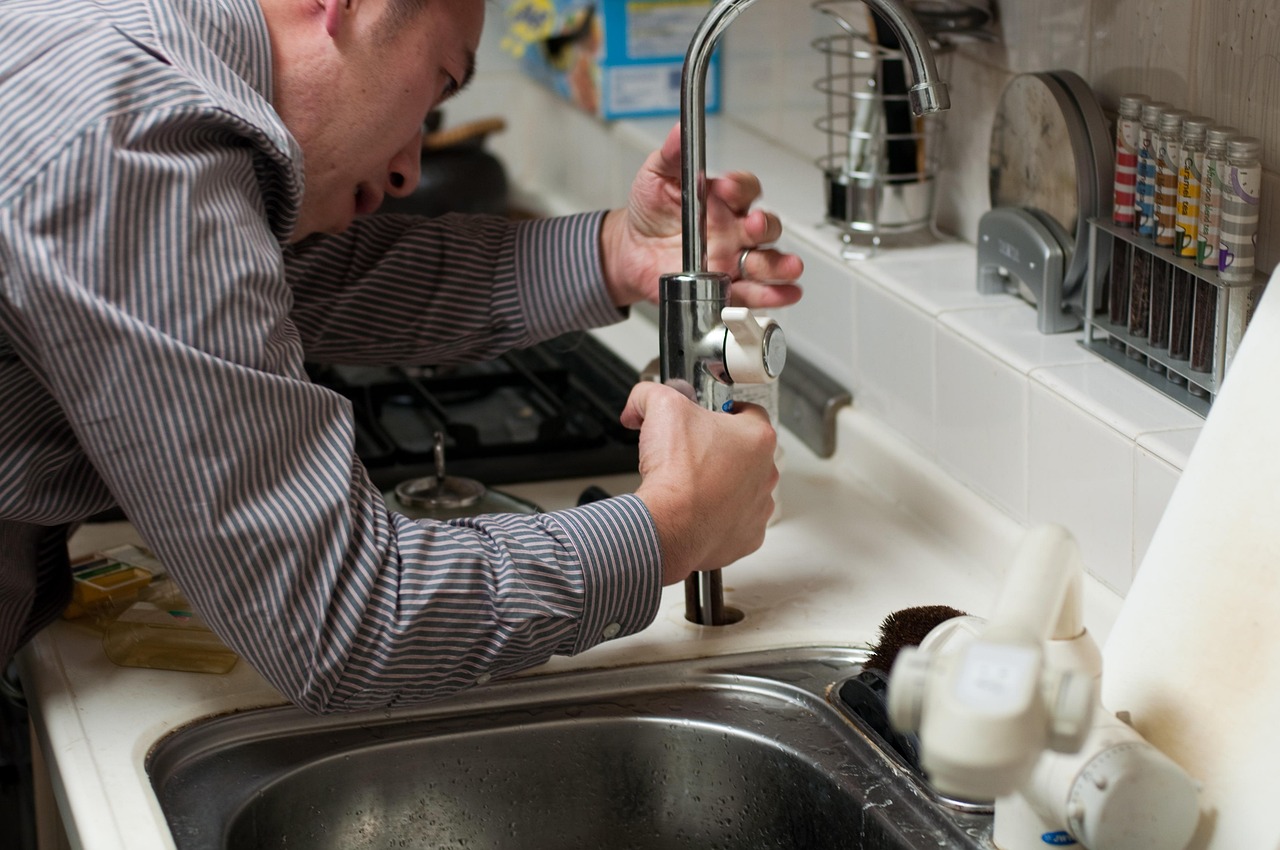
Leaky faucets are a common household headache, wasting water and potentially causing significant damage. In Denver, where water conservation is a priority, addressing these issues promptly is not just eco-responsible, but also cost-effective. This step-by-step guide aims to empower DIY enthusiasts to tackle faucets head-on, saving time and money. We'll explore common causes, from worn-out washers to faulty cartridges, and provide clear, actionable solutions backed by resources like Home Depot Denver and the local Master Plumbers Association. By the end, you'll be equipped to fix leaks efficiently, preserving your plumbing and contributing to Denver's water-wise community.
Diagnosing the Source of Leaky Faucets
Diagnosing the source of a leaky faucet is a crucial first step in any DIY plumbing repair. These persistent drips can stem from various issues, from worn-out gaskets to damaged washer rings. To begin, shut off the water supply to your faucet. Most homes in Denver have shut-off valves under the sink or near the water line. Turn the valves clockwise to stop the flow. Next, observe the faucet components. Faucets often reveal their problems through visible wear or damage. A worn-out cartridge or damaged O-ring are common culprits. Check for any visible cracks, corrosion, or loose parts.
If the leak originates at the base of the faucet, the issue likely lies with the drain assembly or a faulty seal. Inspect the drain's threads and the O-ring that seals it. A damaged or worn O-ring will need replacement, a straightforward DIY task using common tools and available parts from stores like Home Depot Denver or online forums like Plumber's Friend. If the leak is between the faucet and the valve, the problem could be a worn washer or a loose supply line.
Plumbing repairs can range from simple fix-it-yourself projects to complex, time-consuming endeavors. Replacing a cartridge or O-ring is a manageable DIY job, while issues with the supply lines or valve may require professional attention. The Denver Water utility offers valuable resources and, for more involved repairs, the Local Master Plumbers Association can provide guidance and connect you with licensed professionals.
Tools and Materials for Repair
When tackling faucets, the right tools and materials are essential for a successful DIY repair. For these jobs, you'll need a few basic plumbing supplies that are readily available at stores like Home Depot Denver or online forums like Plumber's Friend, where experienced do-it-yourselvers share tips. A key tool is the adjustable wrench, useful for gripping and turning components like shut-off valves. A set of pliers will come in handy for gripping and twisting tight spots.
For more complex repairs, a new aerator or faucet cartridge might be necessary. These components can be easily replaced, improving the flow and reducing leaks. Denver's local utility, Denver Water, provides resources on identifying specific faucet parts, making the replacement process more accessible for DIY enthusiasts.
Consider investing in a plumbing repair kit, which often includes a variety of tools and parts tailored for common issues. These kits, available at retailers like DoItYourself.com, offer a convenient solution for minor leaks. Local associations like the Master Plumbers Association can provide guidance on the quality of materials and tools, ensuring your repairs are efficient and long-lasting. Remember, proper preparation and the right tools can make plumbing repairs more manageable, so always consult a trusted resource before tackling any leaky faucet.
Step-by-Step Guide to Fixing Leaky Faucets
If you're a DIY enthusiast in Denver and you're dealing with a leaky faucet, you're not alone. Faucets are a common plumbing issue that can range from a minor nuisance to a significant waste of water and money. The good news is that repairing a leaky faucet is often a straightforward DIY project. Before you begin, it's essential to understand the different types of faucets and the most common causes. This knowledge will help you choose the right repair method and tools.
A leaky faucet could be due to worn-out O-rings or cartridge seals, loose connections, or a faulty aerator. To start your repair process, gather the necessary tools and materials, such as replacement parts, a wrench, and a new aerator if needed. For a more complex issue, consider seeking advice from local resources like the Home Depot Denver or online forums like Plumber's Friend, where experienced DIYers share their knowledge. The City of Denver Water Conservation Program and the Denver Environmental Health Department also offer valuable tips and guidelines to help you tackle these problems effectively.
Once you've identified the source of the leak, follow these steps:
-
Turn off the water supply: Before you start any repair, shut off the water to prevent leaks and water damage. The location of the shut-off valve varies by home, but it's usually under the sink or near the water meter.
-
Drain the faucet: Empty the faucet's water from the spout to make the repair process easier and to avoid any splashing.
-
Disassemble the faucet: Depending on the faucet's type, you may need to remove the handle, decorative cap, or the entire faucet body to access the damaged parts. Do it carefully, keeping track of small parts for easy reassembly.
-
Inspect and replace worn-out parts: Examine the O-rings, cartridge seals, or aerator for wear and tear. Replace these parts with new ones from your local hardware store, such as DoItYourself.com, to ensure a proper seal and stop the leak.
-
Reassemble and test: Put the faucet back together, ensuring each part is securely fastened. Turn on the water supply and check for leaks. If the faucet still drips, repeat the disassembly and inspection process to identify any remaining issues.
- Seek professional help if needed: If the problem persists, it might be a sign of a more significant plumbing issue. They can provide expert advice and comprehensive solutions.
Frequently Asked Questions About Fixing Leaky Faucets: A Step-by-Step Guide Comprehensive solutions for common leaky faucet problems, targeting DIY enthusiasts in Denver. Search intent: informational.
What are the most common causes of faucets in Denver homes? Faucets in Denver are often due to worn-out O-rings or washer cartridges in the faucet's valve. Older faucets may also have corroded or damaged components, especially in hard water areas. Sediment buildup in the faucet's internal parts can also cause leaks. Identifying the specific issue is key to effective repairs.
How do I know if I can fix the leak myself or if I need a professional? Most leaky faucet repairs are suitable for DIY enthusiasts. If the problem is simple, like a loose handle or a replacement part, you can likely fix it yourself using basic tools. However, complex issues like severe corrosion, damaged valves, or unusual faucet designs may require professional expertise.
What tools do I need to fix a leaky faucet? Common tools for leaky faucet repairs include a wrench, pliers, and a screwdriver. You might also need a new O-ring, washer, or cartridge, which can be purchased at a hardware store. Having a bucket and rags nearby for cleaning up any water is also a good idea.
Can I save money by fixing the leak myself? Absolutely. DIY repairs can be significantly cheaper than hiring a plumber. Most leaky faucet fixes cost between $50 and $200, depending on the complexity and parts required. While some supplies might be inexpensive, the time and potential frustration are factors to consider.
What should I do if the leak is coming from the sink or countertop? If the leak is external, check the connections at the faucet base. Tighten loose pipes or replace worn-out gaskets. If the leak persists, the issue might be internal, and you may need to disassemble the faucet to access and repair the damaged component.
Facing faucets? You're not alone in Denver. By diagnosing the source, gathering the right tools and materials, and following a step-by-step guide, DIY enthusiasts can fix most leaky faucet problems efficiently. The City of Denver Water Conservation Program and local Homeowners Associations offer resources to help you make informed decisions. The Local Master Plumbers Association can provide guidance and certifications for reliable services. Remember, timely action on faucets not only saves water but also prevents further damage and potential health risks. With the right knowledge and resources, you can significantly reduce water waste and keep your Denver home in top condition.