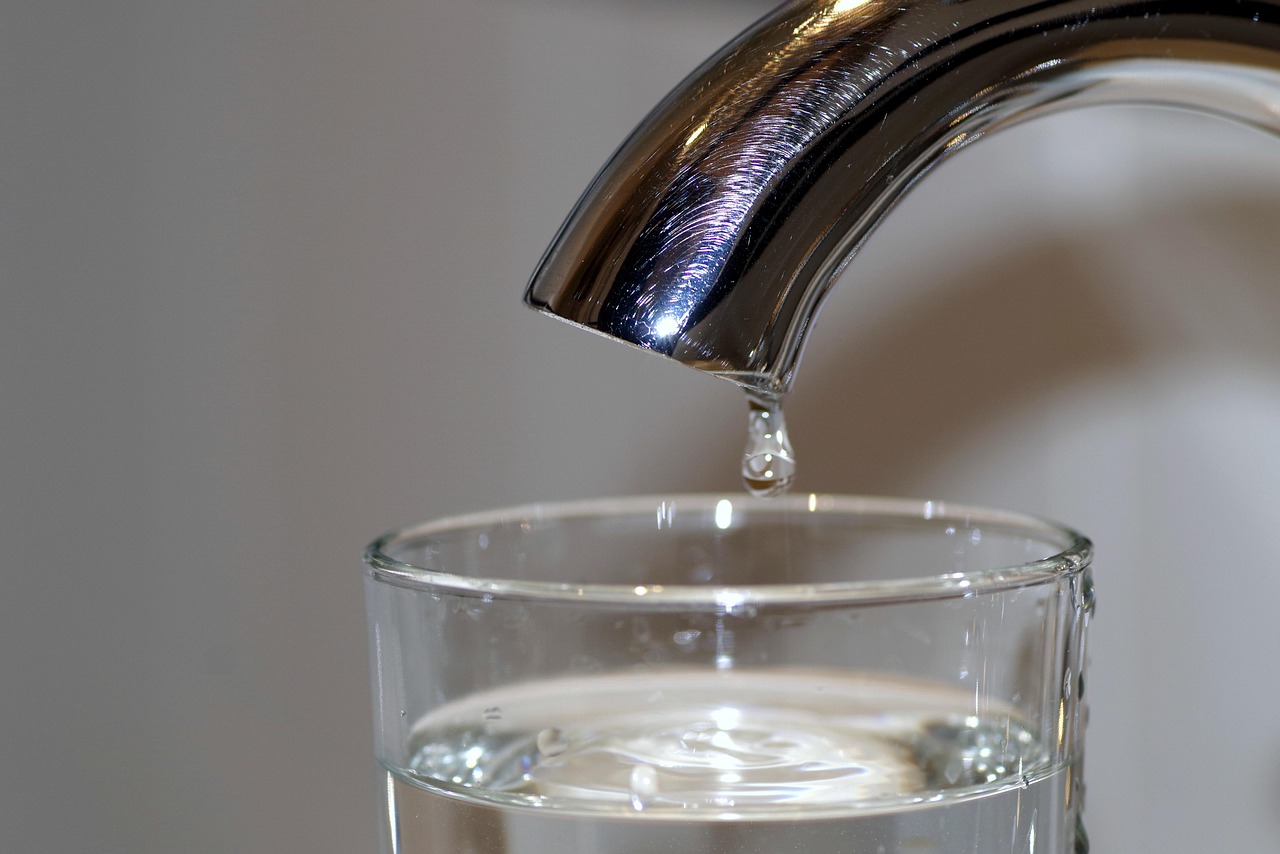
Leaky faucets are a common household nuisance, wasting precious water and potentially leading to costly damage. In Denver, where water conservation is paramount, addressing these issues promptly is crucial. This guide is designed to empower DIY enthusiasts with the knowledge and step-by-step instructions to fix leaky faucets effectively. We'll explore common causes, from worn-out O-rings to corroded parts, and provide clear, practical solutions. Leveraging resources like Home Depot Denver, the Plumber's Friend online forum, and the Denver Water utility, you'll learn to diagnose and repair leaks efficiently, saving time and money while contributing to the city's conservation efforts.
- Understanding Leaky Faucet Causes and Types
- Diagnosing and Preparing for Repairs
- Step-by-Step Repair Guide for DIYers
Understanding Leaky Faucet Causes and Types
Leaky faucets are a common household issue, but understanding their causes and types is crucial for effective DIY plumbing repairs. In Denver, where water conservation is a top priority, addressing faucets not only saves water but also can significantly reduce your utility bills. The first step in fixing a leaky faucet is identifying its type. There are three primary types:
-
Cartridge-based faucets: These are the most common types, featuring a single handle or two handles side-by-side. The cartridge controls water flow and can become worn out or damaged, leading to leaks. Cartridge replacements are relatively straightforward and can be done by homeowners with basic DIY skills. At Home Depot Denver, for instance, you can find a wide range of replacement cartridges suitable for various brands and models.
-
Comprehensive faucet assemblies: These typically include separate valves for hot and cold water, along with a third valve for the spout. Leaks in these systems often stem from these individual valves or the connections between them. Repairs may require a more intricate process, and in some cases, a 24/7 service like Plumbing Doctor can provide swift assistance.
-
Single-handle faucets: While simpler in appearance, these faucets can also present challenges. Leaks often occur at the base of the faucet or at the connection between the handle and the valve stem. Local online forums like Plumber's Friend offer detailed guides and tips for troubleshooting and repairing these types.
Beyond these types, leaks can also result from worn-out O-rings, damaged washer plates, or loose connections. Identifying the root cause is essential for a successful DIY repair or for knowing when to call in a professional, such as a licensed member of the Local Master Plumbers Association. In many cases, simple parts replacements or tightening connections can fix the problem. However, complex issues may require the expertise of a plumbing professional, especially in older homes where the plumbing system may be more intricate.
Diagnosing and Preparing for Repairs
Diagnosing and preparing for plumbing repairs is a crucial step in fixing faucets, especially for DIY enthusiasts in Denver. Start by identifying the source of the leak, which could be a worn-out washer, a loose handle, or a faulty valve. Check under the sink for any visible signs of water damage or moisture. Often, a leaky faucet will produce a distinct sound, like dripping or splashing, that can pinpoint the problem area. Before beginning any repair, it's essential to gather the right tools and supplies. Basic tools like adjustable wrenches, pliers, and a new washer or O-ring are typically sufficient for most leaky faucet issues. For more complex repairs, you might need a new cartridge or valve stem, which can be found at home improvement stores like Home Depot Denver or online forums like Plumber's Friend, where experienced DIYers share advice.
Once you've diagnosed the problem and gathered your supplies, the next step is to prepare the area around the faucet. Turn off the water supply to avoid any unexpected flooding. In Denver, the local utility, Denver Water, provides detailed instructions on shutting off water to your home. Place a bucket or drain tray under the faucet to catch any residual water and prevent damage. Remove the old parts carefully, taking note of how they fit together. This visual memory can be invaluable when installing the new components. The order in which you disassemble a faucet can provide clues about the correct assembly sequence.
Proper preparation and a methodical approach can make DIY plumbing repairs more accessible and successful. Remember, if the leak is severe or the repair seems too complex, don't hesitate to contact a licensed plumber. The Local Master Plumbers Association offers resources and support for both homeowners and contractors. For more hands-on guidance, check out community workshops, such as those hosted by the Denver Public Library, where you can learn from local plumbing professionals.
Step-by-Step Repair Guide for DIYers
If you're a DIY enthusiast in Denver dealing with a leaky faucet, tackling the problem yourself can be a rewarding and cost-effective solution. Before you begin, familiarize yourself with the basic plumbing layout of your home. This knowledge will empower you to make informed decisions when repairing your leaky faucet. Start by shutting off the water supply to the faucet, usually located behind the sink or under the kitchen or bathroom cabinet. This crucial step prevents water damage while you work. Once the water is off, you can begin the disassembly process. For most faucets, you'll need to remove the handle, cartridge, or valve stem, depending on the type. Home Depot Denver and online forums like Plumber's Friend offer detailed guides for various faucet models, making it easier to identify parts and tools required.
The next step involves inspecting the O-rings, seals, or gaskets responsible for the leak. Over time, these components can wear out, allowing water to escape. Replaceing them is a straightforward process and can often be done with household tools. Ensure you have the correct size O-rings for your faucet model. Local hardware stores carry a wide range of plumbing repair parts, making it convenient to find what you need. If you encounter stubborn leaks, consider the expertise of Denver-based plumbing professionals. Remember, proper plumbing repairs are essential to avoid further damage and maintain your home's water system.
Understanding and fixing faucets in Denver is a crucial skill for any DIY enthusiast. By grasping the various causes and types of faucets, and following a structured repair process, you can effectively address this common plumbing issue. This article has provided a practical guide, from diagnosing problems to step-by-step repairs, empowering you to take on these fixes with confidence. Remember, early intervention is key; regular maintenance and quick action can prevent small leaks from becoming costly and wasteful problems. Consider leveraging local resources like Home Depot Denver, online forums like Plumber's Friend, or community workshops to enhance your knowledge and access expert advice when needed. Stay proactive with faucets, and you'll contribute to the conservation efforts promoted by Denver Water and the City's Environmental Health Department, ensuring a more sustainable future for our community.