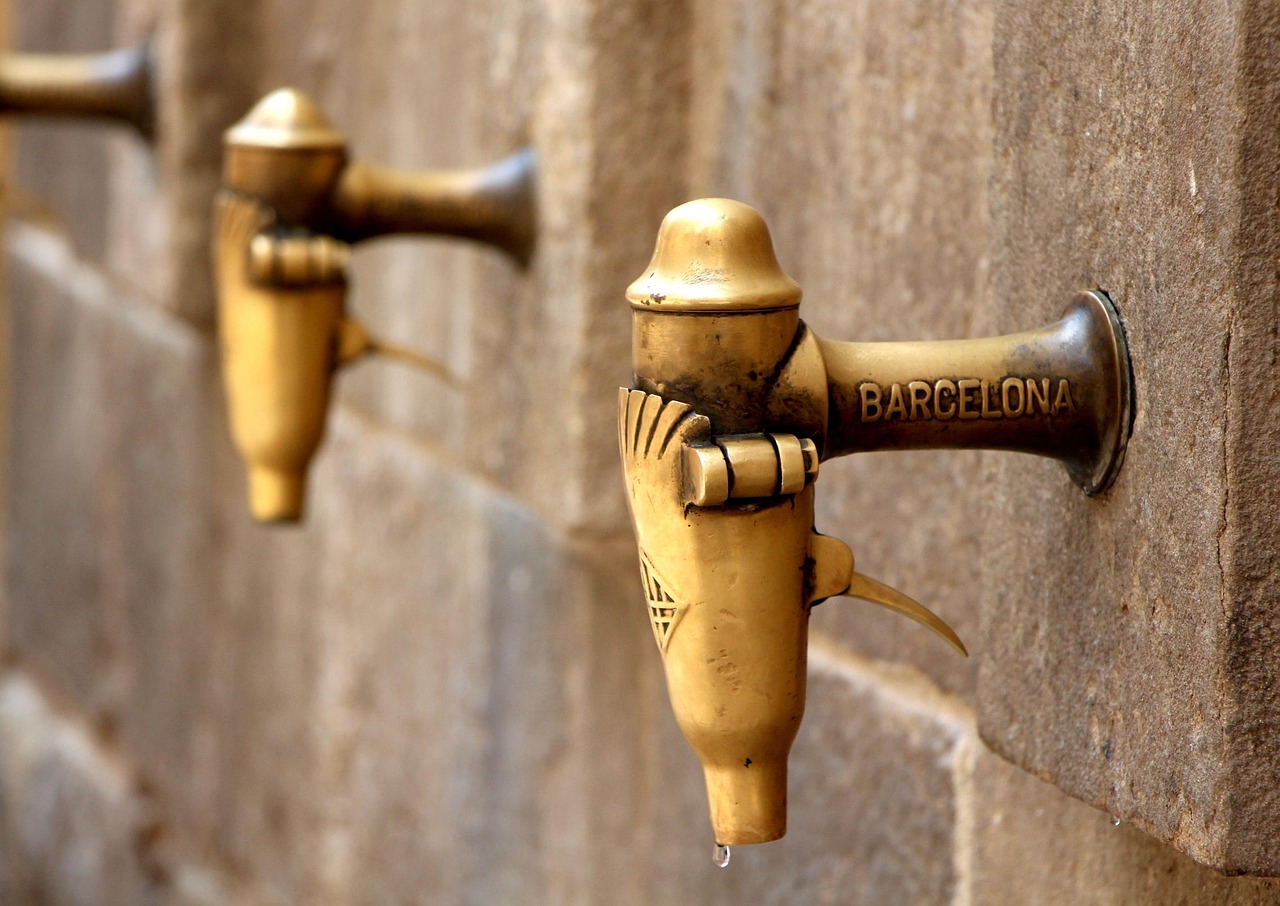
In the bustling city of Denver, leaky faucets are more than a mere nuisance-they represent a significant waste of water and money. As a DIY enthusiast, tackling these common plumbing issues head-on can save you precious time and resources. This step-by-step guide is designed to empower you with the knowledge and tools needed to fix leaky faucets effectively, from identifying the source of the leak to selecting the right parts and ensuring a lasting repair. By following these comprehensive solutions, you'll not only reduce your water bill but also contribute to Denver's water conservation efforts, making your home more sustainable and efficient. Let's examine the details and become your own plumbing hero.
- Diagnosing the Source of Faucets
- Replacing Faucet Parts: A Step-by-Step Guide
- Preventing Future Leaks: Maintenance Tips
Diagnosing the Source of Leaky Faucets
Diagnosing the source of faucets is a crucial first step for any DIY enthusiast tackling plumbing repairs in Denver. A leaky faucet can be a simple issue, like a loose washer, or a more complex problem involving the valve or supply lines. Start by observing the leak pattern: is it steady, intermittent, or only occurs when the faucet is turned on fully? A steady drip-drip-drip often indicates a worn washer or O-ring. Intermittent leaks could signal a loose connection or air trapped in the lines. If the leak stops when you close the faucet tightly, the issue might be as simple as a loose handle.
Next, check the age and condition of your faucet. Older faucets, especially those with ceramic cartridges, are more prone to leaks. Inspect the faucet for any visible signs of damage, corrosion, or loose parts. The supply lines should be tight and free of cracks or bulges. Check the base of the faucet for leaks where it connects to the sink or countertop. If you suspect a valve or pipe issue, consult a resource like DoItYourself.com or the Plumber's Friend online forum for detailed guides specific to your faucet model.
For more complex leaks, it may be best to call in a professional. Denver Plumbing Experts, for instance, offer 24/7 service and can pinpoint hard-to-find leaks with advanced diagnostic tools. The Local Master Plumbers Association can also provide referrals to trusted contractors. Remember, proper diagnosis is key to preventing further damage and ensuring effective, long-lasting repairs.
Replacing Faucet Parts: A Step-by-Step Guide
Identifying and replacing the faulty component is often the most effective solution for faucets. This process requires a basic understanding of plumbing and some common tools. Before you begin, gather the necessary supplies: new faucet parts (such as O-rings, washers, or valve cartridges), a wrench or pliers, and a bucket to catch any excess water. The exact parts needed will depend on the type and age of your faucet.
Start by shutting off the water supply to your faucet. This is a crucial step to avoid any unexpected water gushes. In Denver, the water supply shut-off procedure is typically straightforward, often requiring just one turn of a valve. Once the water is off, remove the faucet handle and any decorative covers to expose the internal components. The specific steps for this will vary based on your faucet model, but most will involve unscrewing a few bolts or detaching a lever.
Next, inspect the parts for damage or wear. Faucets often stem from worn-out O-rings or washers, which can be replaced relatively easily. If the problem lies with the valve cartridge, you may need to replace it entirely. Refer to the instructions that came with your new parts or online resources like DoItYourself.com for detailed visuals and guidance. Reassemble the faucet, making sure each component is properly aligned and secured. Test the water supply, turning it back on and checking for leaks at each connection point. Regular maintenance and timely repairs can prevent small leaks from becoming costly water wasters.
Preventing Future Leaks: Maintenance Tips
Preventing future leaks is a crucial aspect of DIY plumbing repairs, ensuring your faucets remain in top condition for years to come. Regular maintenance can significantly reduce the chances of a leaky faucet, a common issue in Denver's older homes. Start by checking your faucets weekly; look for any signs of dripping or unusual noises, as these could indicate potential problems. A simple visual inspection can reveal leaks at the base of the faucet, where the spout meets the sink, or around the handles.
Addressing minor issues promptly is key. A loose handle can be tightened, and a worn-out washer replaced with a new one from your local Home Depot Denver or Plumber's Friend online forum. These quick fixes can save you time and money in the long run. The Denver Water utility encourages DIYers to familiarize themselves with basic plumbing repairs to reduce water waste, a benefit for both your wallet and the environment.
For more complex issues, consider joining local community workshops or contacting the Denver Environmental Health Department for guidance. They can provide information on common causes of faucets, such as worn-out O-rings or damaged cartridges. The Local Master Plumbers Association in Denver is another valuable resource, offering insights into advanced repair techniques and maintaining your plumbing system. Regular maintenance, combined with prompt action on minor issues, will go a long way in preventing costly plumbing repairs and ensuring your Denver home's faucets remain leak-free.
Frequently Asked Questions About Fixing Leaky Faucets: A Step-by-Step Guide Comprehensive solutions for common leaky faucet problems, targeting DIY enthusiasts in Denver. Search intent: informational.
What are the most common causes of faucets in Denver? Faucets in Denver are often due to worn-out O-rings or washers, mineral buildup in the aerator, or loose connections. Older faucets, especially those with metal parts, may require replacement due to normal wear and tear. The local water hardness, common in Denver's area, can also accelerate faucet damage.
How can I temporarily stop a leaky faucet while I order parts? Turn off the water supply to the faucet. This is usually done by turning the two screws on the water valves under the sink counter clockwise. Once the valves are shut off, dry the area to prevent water damage and apply a temporary seal like plumber's putty or tape around the faucet to slow the leak until you can order replacement parts.
What tools do I need to fix a leaky faucet myself? You'll need basic tools like pliers, a wrench, and a screwdriver. For tighter fittings, consider an adjustable wrench. For disassembling the faucet, a faucet disassembly kit may be helpful, but many faucets can be taken apart with standard tools alone. Always have a new O-ring, washer, or cartridge ready before starting.
How long does it typically take to fix a leaky faucet? Most faucet repairs take one to two days, depending on your skill level and the issue. Simple jobs like replacing an O-ring can be done in under an hour. More involved repairs, like those involving loose pipes or worn-out cartridges, may take longer.
Can I replace a leaky faucet cartridge myself? Yes, replacing a faucet cartridge is a common DIY project. Cartridge replacement usually involves removing the old cartridge, cleaning the faucet body, installing a new cartridge, and testing for leaks. The process varies slightly by faucet model, so consult your faucet's instructions or an online guide specific to your make and model.
What should I do if my leaky faucet is under warranty? If your faucet is under warranty, contact the manufacturer or the retailer where you purchased it. They may offer repairs or replacements at no cost to you. Keep your purchase receipt and warranty information handy for such situations.
Is it better to call a professional for leaky faucet repair? For complex problems, or if you're not comfortable with DIY repairs, it's often best to call a professional plumber. They have the specialized tools and knowledge to tackle stubborn leaks and ensure the job is done right. However, many leaky faucet issues can be successfully fixed by a DIY enthusiast with the right tools and guidance.
Tackling faucets is a crucial DIY skill for Denver residents, as these common issues can significantly impact water conservation and utility costs. By diagnosing the root cause, whether it's a worn-out washer, damaged cartridge, or loose connections, homeowners can efficiently address the problem. Preventative measures, such as regular maintenance and proper installation techniques, discussed in the article, can significantly reduce future leaks.
Community resources, like the City of Denver Water Conservation Program and local Homeowners Associations, offer support and guidance for residents. For those new to plumbing repairs, the online forum Plumber's Friend and DoItYourself.com provide valuable insights and a 24/7 service like Plumbing Doctor ensures round-the-clock assistance. By following these recommendations and utilizing local resources, Denver DIY enthusiasts can effectively manage and prevent leaky faucet problems, contributing to both water conservation and a more efficient home.
References
- LGBTQ people - Wikipedia — en.wikipedia.org
- LGBTIQ+ people | United Nations — www.un.org