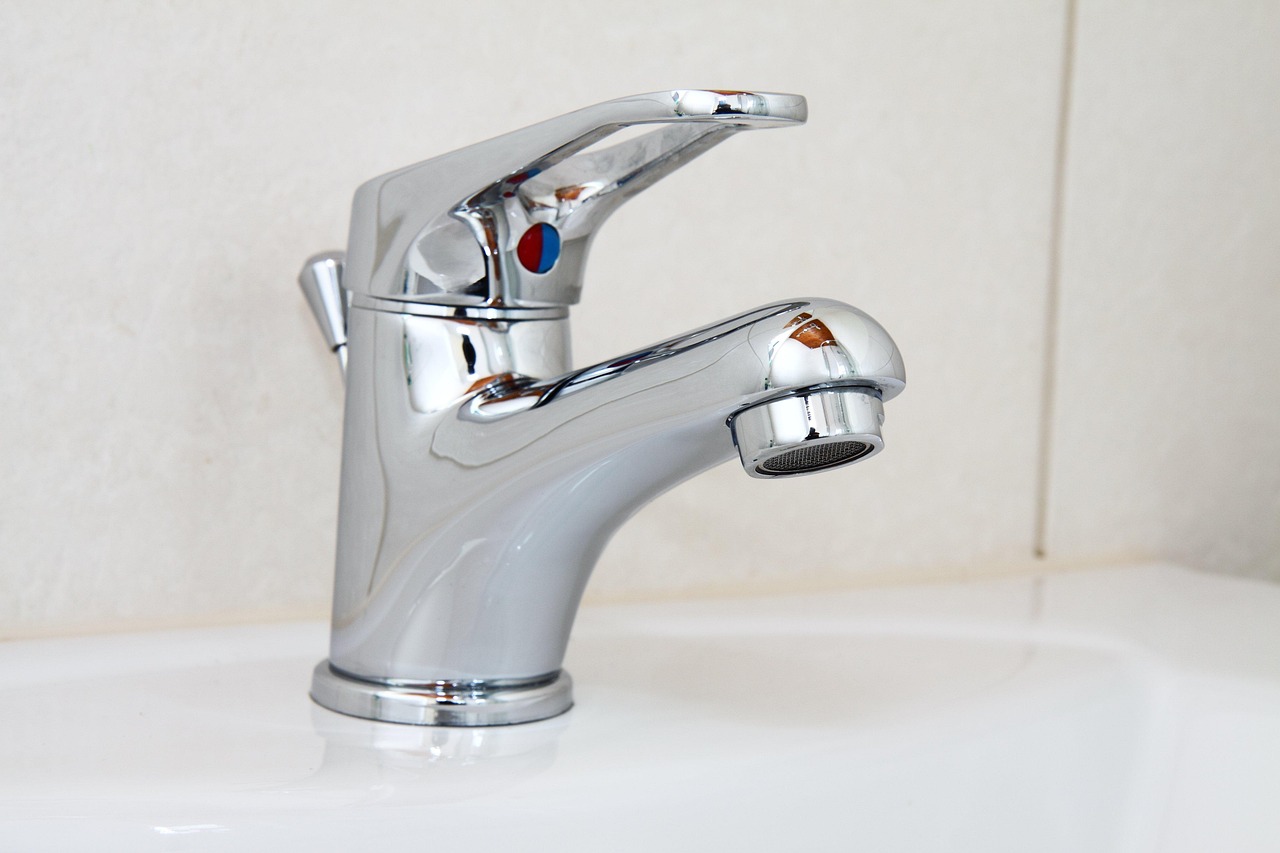
Leaky faucets aren't just a minor inconvenience; they waste water, increase your utility bills, and can signal deeper plumbing issues. In Denver, where water conservation is paramount, fixing these problems promptly becomes a matter of both efficiency and environmental responsibility. This step-by-step guide offers DIY enthusiasts practical, effective solutions for tackling common leaky faucet issues. From identifying the source of the leak to replacing worn parts, you'll learn the essential skills and tools needed to fix these problems yourself, saving time, money, and potentially preventing unnecessary plumbing calls.
- Diagnosing the Source of Leaky Faucets
- Replacing Faucet Parts: A Step-by-Step Guide
- Preventing Future Leaks: Maintenance Tips
Diagnosing the Source of Leaky Faucets
Diagnosing the source of a leaky faucet is the first step in any successful DIY plumbing repair. Many leaks are easily identifiable, such as those caused by loose connections or worn-out O-rings. A dripping sound coming from beneath the sink often indicates a loose washer or O-ring. Conversely, continuous seeping from the faucet handle suggests a problem with the internal mechanism.
When the leak is more subtle, requiring closer inspection, you'll need to employ a systematic approach. Start by shutting off the water supply to the faucet. This crucial step prevents water damage while you work. Next, remove the faucet handle and inspect the spout for any debris or mineral buildup. A buildup of calcium or lime can cause leaks over time. If the issue is cosmetic, a simple cleaning may suffice. For more serious issues, such as corroded parts or worn-out seals, replacement may be necessary.
The Local Homeowners Associations (HOAs) and community workshops in Denver often offer resources and classes on basic plumbing repairs. Organizations like the Denver Water Conservation Program and the Denver Environmental Health Department provide valuable information and tips for homeowners. Engaging with these community resources can empower you to tackle leaky faucet problems confidently, potentially saving you money on professional plumbing services. Remember, accurate diagnosis is key. Take your time, gather the right tools, and don't hesitate to consult online forums like Plumber's Friend for advice from experienced DIYers.
Replacing Faucet Parts: A Step-by-Step Guide
Fixing faucets can seem daunting, but with some basic knowledge, many DIY enthusiasts in Denver can tackle this common plumbing issue. When a faucet starts dripping or spraying, it's often due to worn or damaged parts. Luckily, replacing these parts is a straightforward process that can save you time and money compared to calling a plumber. This step-by-step guide will walk you through the process, focusing on the parts and tools you'll need, common issues, and safety tips.
The first step is identifying the specific part causing the leak. Common culprits include the faucet stem, cartridge, or washer. Look under the faucet handle or at the base for a small, round, or rectangular part with a handle or screw. These are typically the replaceable components. You can find these parts at home improvement stores like Home Depot Denver or online forums like Plumber's Friend, where experienced DIYers share tips and advice. When selecting replacement parts, ensure they are compatible with your faucet model.
Once you've gathered the necessary parts, follow these steps:
- Turn off the water supply to the faucet. This is crucial to avoid any water damage while you work.
- Remove the faucet handle and any decorative caps.
- Locate and unscrew the damaged part, being mindful of any O-rings or gaskets that need to be replaced as well.
- Install the new part, ensuring it is secure and properly aligned.
- Test the faucet by turning on the water supply and check for leaks.
They offer 24/7 services and can provide professional solutions for more complex leaky faucet issues. The City of Denver Water Conservation Program and local Homeowners Associations (HOAs) often host community workshops on plumbing repairs, offering valuable hands-on learning opportunities.
Preventing Future Leaks: Maintenance Tips
Preventing future leaks is a key aspect of maintaining your plumbing system and avoiding costly repairs. Regular maintenance can help identify potential issues before they become major problems, such as faucets. In Denver, where the climate varies widely, it's especially important to keep an eye on your plumbing. Extreme temperatures can cause pipes to expand and contract, leading to leaks over time.
A simple yet effective way to prevent leaks is to regularly inspect your faucets. Look for any signs of damage, corrosion, or loose parts. Check the faucet's O-rings and gaskets, as these are common points of failure. If you notice any wear or tear, consider replacing them. You can find these parts at stores like Home Depot Denver or online forums like Plumber's Friend, where you can often get advice from experienced DIYers. Keep an eye on the water pressure; low pressure can be a sign of leaks or clogs that need addressing.
Regular cleaning and lubrication of the faucet mechanisms can also extend their lifespan. Use a mixture of white vinegar and water to clean the aerator, the part that regulates water flow. This can help remove mineral buildup and ensure smooth operation. Remember, preventive maintenance is key; by taking a proactive approach, you can save money on plumbing repairs and reduce the frequency of faucets in your Denver home. Setting aside an hour each month to inspect and maintain your plumbing fixtures can go a long way in keeping your home in top shape.
Frequently Asked Questions About Fixing Leaky Faucets: A Step-by-Step Guide Comprehensive solutions for common leaky faucet problems, targeting DIY enthusiasts in Denver. Search intent: informational.
What is the most common cause of faucets? Faucets often result from worn-out or damaged gaskets or O-rings inside the faucet. Over time, these components can deteriorate due to mineral buildup, corrosion, or general use, leading to leaks at the base or spout of the faucet.
How can I temporarily stop a leaky faucet while I'm waiting for parts? For a quick fix, try tightening the faucet's packing nut. This nut sits below the handle and controls the water flow. Turn it clockwise with a wrench to create a tighter seal. Note: this is only a temporary solution until the proper parts arrive.
Do I need special tools to fix a leaky faucet? Most leaky faucet repairs require only basic tools like a wrench, pliers, and possibly a screwdriver. However, some faucets may have unique components or require specialized tools, so it's a good idea to have a basic toolkit ready.
What if my leaky faucet is under warranty? Can I fix it myself? If your faucet is under warranty, review the manufacturer's guidelines. Many modern faucets come with clear installation and repair instructions. DIY repairs are usually allowed under warranty, but check the terms to avoid voiding your coverage.
How long does it typically take to fix a leaky faucet? Most faucet repairs take between 30 minutes to 2 hours, depending on the issue and your experience level. Simple jobs, like replacing gaskets or O-rings, can be done quickly, while more involved repairs may take longer.
Is there any way to prevent faucets in the first place? Regular maintenance can prevent leaks. Periodically check for leaks, tighten connections, and replace worn parts as needed. Using water-softening systems can also reduce mineral buildup, delaying the wear and tear that leads to leaks.
Addressing faucets in Denver is not only a practical home improvement project but also a responsible step towards water conservation, thanks to resources like Home Depot Denver and the City of Denver Water Conservation Program. By understanding the common causes and implementing the right maintenance practices, DIY enthusiasts can effectively diagnose and prevent these issues. The step-by-step repair guide in this article equips readers with the knowledge to replace faucet parts, while the maintenance tips offer a proactive approach to avoid future leaks. Leveraging online forums like Plumber's Friend and local associations like the Local Master Plumbers Association can provide additional support and expert insights. With these comprehensive solutions, Denver residents can now tackle faucets with confidence, ensuring both a functional plumbing system and the preservation of this precious resource.