In the bustling city of Denver, leaky faucets are a common household dilemma that can range from a persistent drip to a full-blown flood. The constant waste of water and the potential for significant damage to your home underscore the importance of fixing these leaks promptly. This guide, tailored for Denver's DIY enthusiasts, offers comprehensive, step-by-step solutions to address the most prevalent leaky faucet issues. From identifying the source of the leak to choosing the right repair parts and tools, you'll gain the knowledge and confidence to tackle these repairs yourself, saving time, money, and water, while contributing to Denver's water conservation efforts.
- Diagnosing the Source of Leaky Faucets
- Replacing Faulty Parts: A Step-by-Step Guide
- Preventing Future Leaks: Maintenance Tips
Diagnosing the Source of Leaky Faucets
Diagnosing the source of a leaky faucet is a crucial step in any DIY plumbing repair. It's the difference between a quick fix and a costly replacement. Faucets can stem from several common issues: worn-out O-rings or washer valves, loose connections, or a faulty aerator. To get to the root of the problem, start by observing the leak closely. Note its location (handle, spout, or both) and the flow pattern (constant drip, intermittent, or spurts). This information will guide you as you narrow down the possibilities.
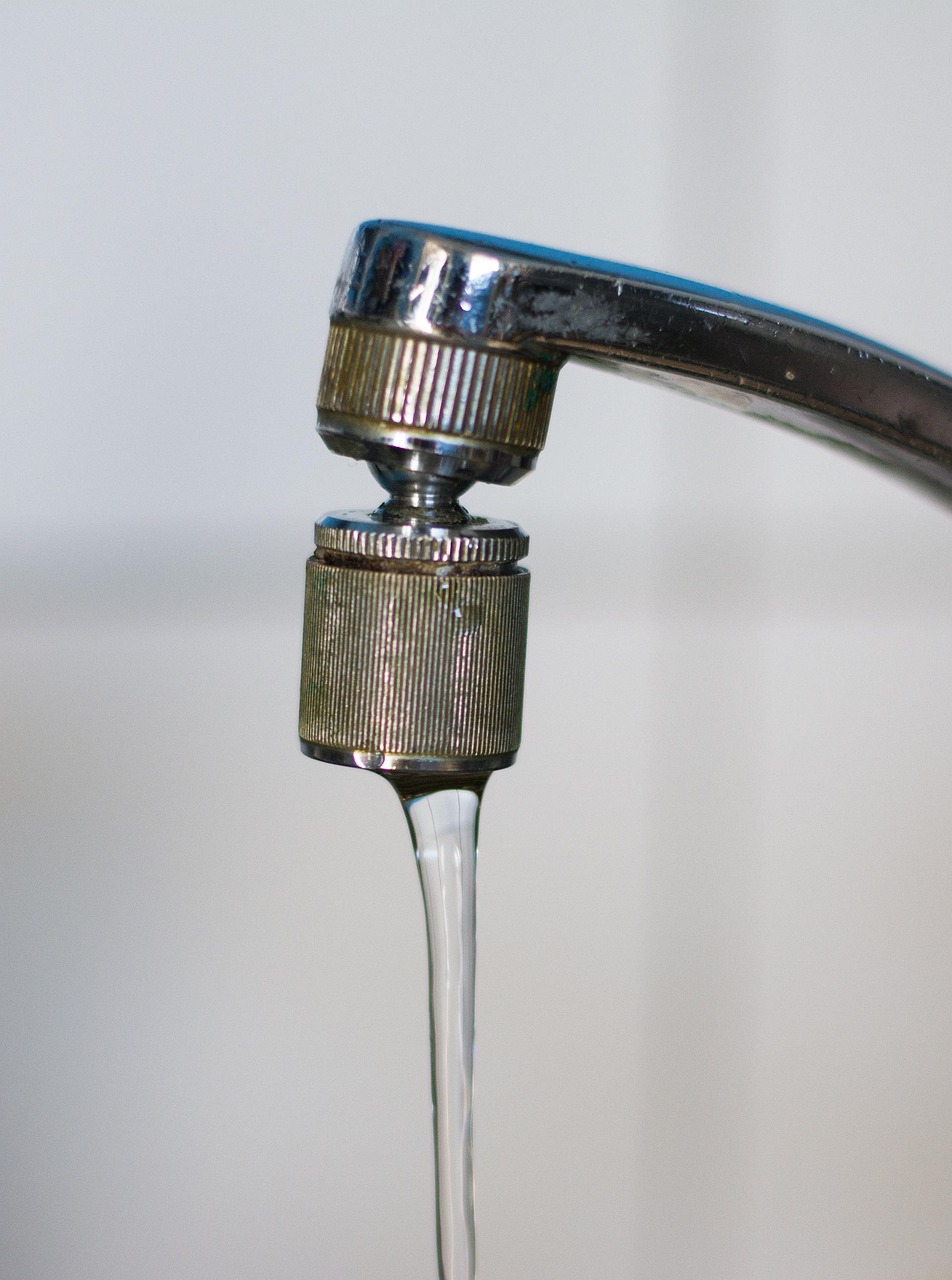
Next, check the faucet's components. Remove the faucet handle and inspect the O-rings and washer valves for wear or damage. Worn or deformed parts are often the culprit. If the O-rings appear frayed or the washer is cracked, they will need to be replaced. Next, examine the connections. Tighten any loose supply lines or fittings, but be mindful - over-tightening can also cause problems. If the connections are in good shape, consider checking the aerator. A clogged or damaged aerator can restrict water flow and lead to leaks. Disassemble and clean the aerator, looking for any debris or mineral buildup.
For more complex leaks, it might be helpful to consult a professional plumber or refer to resources like the Home Depot Denver or Plumber's Friend online forum for detailed guidance. Remember, while DIY repairs can be cost-effective, some leaky faucet issues require the expertise of a licensed professional. The Local Master Plumbers Association can provide a list of trusted contractors in your area. By understanding the common causes and taking a systematic approach, you can effectively diagnose and address leaky faucet problems in your Denver home.
Replacing Faulty Parts: A Step-by-Step Guide
Identifying the source of a leaky faucet is crucial, as it determines which parts need replacement. Start by turning off the water supply to the faucet. This is typically done by rotating the valve under the sink counterclockwise. Next, remove the faucet handle and any decorative covers to access the stem and cartridge or valve assembly. If your faucet has a single-handle design, the cartridge is usually the culprit. For two-handle faucets, check the valve seats and stems for wear or damage.
When replacing these parts, follow these steps. First, gather the necessary tools and supplies, such as a new cartridge or valve assembly, plumbing tape, and a wrench. Remove the old parts carefully, cleaning the surfaces where they fit into the faucet body. Ensure you have a proper fit for the new parts. A slightly tighter fit is preferred to prevent leaks, but be mindful not to overtighten. Install the new cartridge or valve assembly according to the manufacturer's instructions, reattaching the handle and decorative covers.
For a more complex repair involving the drain or vent, consult a local plumbing expert. Alternatively, the Local Master Plumbers Association can provide guidance and support. Remember, if your leaky faucet is part of a larger plumbing issue or if you're unsure about any step, it's best to contact a professional. DIY repairs can be successful, but certain challenges require expert knowledge and tools.
Preventing Future Leaks: Maintenance Tips
Preventing future leaks is key to avoiding the hassle and expense of repeated plumbing repairs. Regular maintenance can extend the lifespan of your fixtures and keep your home's water supply secure. For DIY enthusiasts in Denver, a proactive approach to faucets is a valuable skill to master. Start by inspecting your faucets regularly, at least once a month, for any signs of moisture or water stains. These visual cues can indicate a leak before it becomes noticeable in your water bills or causes significant damage.
A simple yet effective maintenance routine involves lubricating the faucet's O-rings and seals. Over time, these components can become dried out and brittle, leading to leaks. Applying a high-quality lubricant designed for plumbing fixtures can prevent this wear and tear. The Home Depot Denver and local hardware stores stock a range of lubricants suitable for various types of faucets. Clearing the aerator-the mesh screen at the tip of the faucet-of any mineral deposits or debris can prevent leaks caused by restricted water flow.
Beyond regular checks, consider scheduling professional inspections as part of your maintenance regimen. The Local Master Plumbers Association offers community workshops and resources, educating homeowners on best practices for faucet care. By combining DIY efforts with professional guidance, Denver residents can effectively tackle faucets, ensuring their homes remain water-efficient and leak-free.
Frequently Asked Questions About Fixing Leaky Faucets: A Step-by-Step Guide Comprehensive solutions for common leaky faucet problems, targeting DIY enthusiasts in Denver. Search intent: informational.
What is the most common cause of faucets? Faucets often result from worn-out or damaged O-rings and washers inside the faucet. Over time, these parts can become hardened or damaged due to mineral buildup, leading to leaks at the base or spout of the faucet. In some cases, improper installation or loose connections can also cause leaks. Regular maintenance and timely replacement of these parts can prevent or stop leaks.
How can I temporarily stop a leak while I order replacement parts? For a temporary fix, turn off the water supply to the faucet. This is usually done by closing the shut-off valve beneath the sink or under the faucet. Once closed, you can apply a temporary seal or tape over the leak to slow the flow of water until you receive and install the replacement parts.
Do I need a special tool to fix a leaky faucet? Most leaky faucet repairs only require basic tools like wrenches, screwdrivers, and pliers. The specific tools needed depend on the faucet model and type. Some newer faucets may have unique parts or designs, requiring specialized tools. However, many common repairs can be accomplished with standard household tools.
What if the leak is coming from the shower head? Leaks at the shower head can often be attributed to loose connections or worn-out O-rings or gaskets. First, check the connections and tighten them if necessary. If the leak persists, the O-rings or gaskets may need to be replaced. This process involves removing the shower head, accessing and replacing these parts, then reinstalling the shower head.
How long should it take to fix a leaky faucet? Most simple faucet repairs should take less than an hour for a DIY enthusiast. Complex repairs, involving disassembly or replacement of parts, may take up to two days, depending on the specific problem and your experience level. Always allow ample time for cleaning and testing after the repair to ensure the job is done correctly.
Tackling faucets in your Denver home need not be daunting. By understanding the common causes, such as worn-out washer or damaged O-rings, you can effectively diagnose and repair the issue using straightforward DIY techniques. The step-by-step guides provided offer a clear, accessible path for homeowners to become their own plumbers, saving time and money. Implementing preventive measures like regular cleaning and periodic checks can significantly reduce the likelihood of future leaks. Engaging with local resources, such as the Denver Water Conservation Program and community workshops, can further equip you with knowledge and support. By following these key insights, you'll not only fix current leaky faucet problems but also foster a more water-efficient home and contribute to the overall health of Denver's water infrastructure.
References
- The 20 best places to travel in 2026 - BBC — www.bbc.com