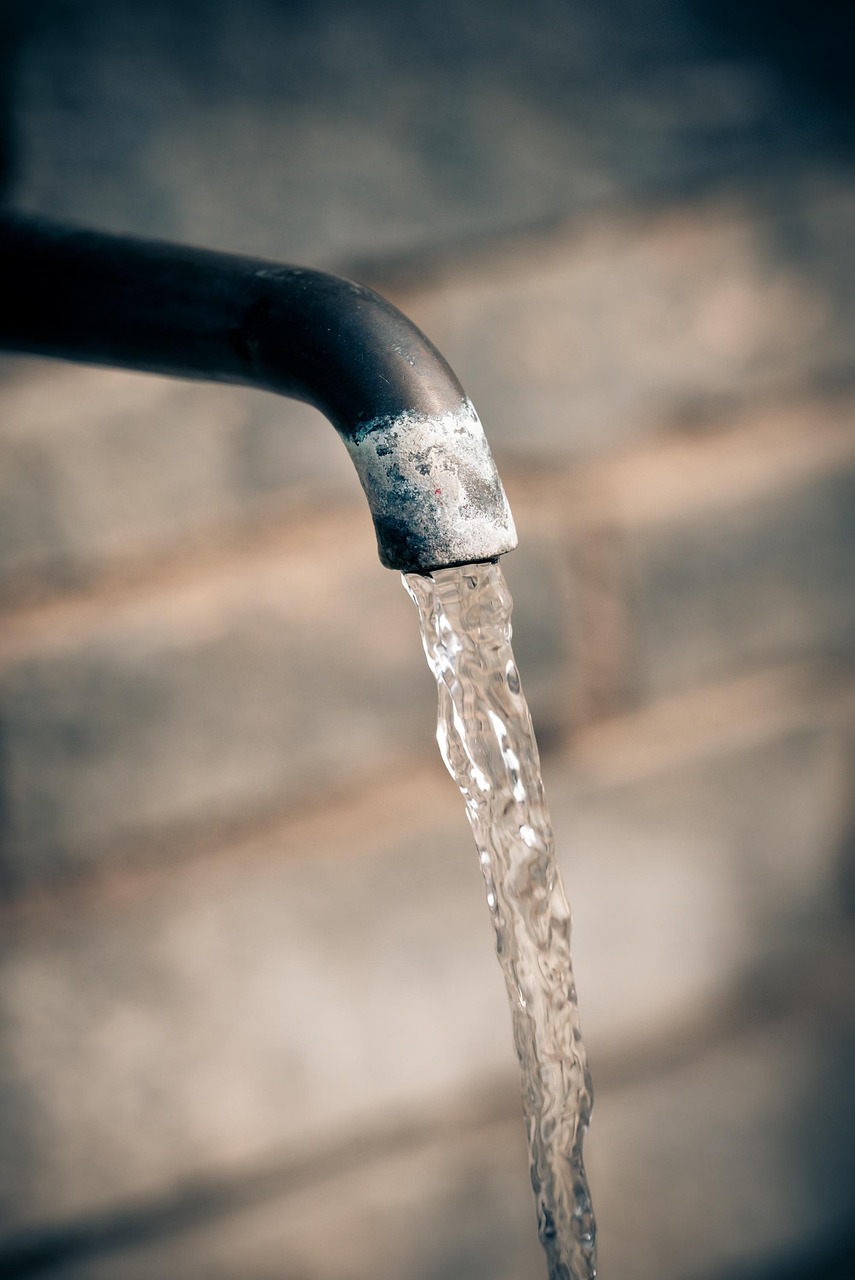
In the bustling city of Denver, leaky faucets are a common nuisance, wasting precious water and potentially causing costly damage. Whether it's a persistent drip from your kitchen sink or a gushing leak from the bathroom, leaky faucets can disrupt your daily routine and put a strain on your wallet. Fortunately, fixing these issues doesn't have to be a daunting task. This practical guide offers step-by-step solutions to the most common leaky faucet problems, empowering DIY enthusiasts to tackle these repairs with confidence. From identifying the source of the leak to choosing the right replacement parts, we'll navigate you through the process, ensuring your faucets function seamlessly once more. With tips from trusted resources like Home Depot Denver, Plumber's Friend online forum, and advice from local plumbing experts, you'll become equipped to handle even the trickiest leaks.
- Identifying the Source: Common Leaky Faucet Problems in Denver
- Tools and Materials: Preparing for Faucet Repair
- Step-by-Step Fix: A Guide to Stopping Leaks Effectively
Identifying the Source: Common Leaky Faucet Problems in Denver
In the vibrant, bustling city of Denver, faucets are a common plumbing concern. Identifying the source of the leak is a crucial first step in any DIY repair, as it can vary greatly depending on the faucet's design and age. One of the most prevalent issues is worn-out O-rings or washer seals, especially in older fixtures. These components, located behind the faucet handle, prevent water leakage, and their replacement is often all that's needed to stop the drip. A trip to Home Depot Denver or any local hardware store will yield a wide array of O-rings and washers suitable for various faucet models.
Another frequent culprit is a faulty supply line connection. Over time, these lines can corrode or become loose, leading to leaks at the base of the faucet. This problem is particularly common in areas with hard water, as mineral buildup can accelerate corrosion. The Local Master Plumbers Association in Denver offers valuable insights and resources for DIY enthusiasts, emphasizing the importance of regular maintenance to prevent such issues. To address this, regular checks and tightening of connections can be performed, though in severe cases, a replacement line might be necessary.
Valve stem and cartridge replacements are also frequent repairs. These parts control the water flow and temperature, and their malfunction can lead to continuous leaks. Online forums like Plumber's Friend provide step-by-step guides and tips from experienced DIYers, offering invaluable support for tackling these repairs. The Denver Water utility also promotes water conservation and offers educational materials, aligning with the DIY approach to fixing faucets. When tackling these repairs, ensure you have the right tools and a clear understanding of the faucet's components, as proper identification and replacement can save time and money.
Tools and Materials: Preparing for Faucet Repair
When tackling faucets, proper preparation is key to successful DIY plumbing repairs. Start by gathering the right tools and materials. For most leaky faucet issues, you'll need basic tools like adjustable wrenches, pliers, a screwdriver, and possibly a new washer or O-ring. Consider investing in a plumbing repair kit from a trusted retailer like Home Depot Denver or gathering these items individually from a well-stocked hardware store.
Next, assess the type of faucet you have. Different faucet styles require specific parts and techniques for replacement. Familiarize yourself with the components, such as the cartridge, valve seats, and handles. Online forums like Plumber's Friend can be invaluable resources for troubleshooting and identifying parts, especially if you're tackling an older or more complex faucet.
Before beginning any repairs, check with your local utility, Denver Water, to ensure you're aware of any water shut-off procedures in your area. It's always better to be safe than sorry. Consult with local plumbing experts or the Local Master Plumbers Association for advice on more intricate repairs or to understand any local regulations regarding plumbing work. Remember, for complex or persistent leaky faucet issues, it's often best to call in a professional.
Step-by-Step Fix: A Guide to Stopping Leaks Effectively
Stopping Leaky Faucets: A Step-by-Step Guide for Denver DIYers
Faucets are a common household nuisance, but they're also a preventable issue. Before calling a plumber, consider tackling the problem yourself. Plumbing repairs can be surprisingly straightforward, and a DIY approach can save you money. Here's a step-by-step guide to effectively stopping those pesky drips.
Identify the Source: Start by carefully observing the faucet. Leaks often originate from the base of the faucet handle or the spout. Inspect for loose connections, worn-out O-rings, or damaged washer cartridges - these are the most common culprits. A worn washer in the valve stem can cause a steady drip, while a loose handle can lead to intermittent leaks.
Gather the Right Tools: Most leaky faucet repairs require basic tools like adjustable wrenches, pliers, and a new set of O-rings or washer cartridges. You might also need a new faucet handle if the existing one is damaged. The Home Depot Denver and local hardware stores like Plumber's Friend offer a range of plumbing supplies to help you get the job done.
Turn Off the Water Supply: Before you begin any repairs, it's crucial to shut off the water to prevent further leaks and water damage. Locate your home's main water shut-off valve - it's usually near the water meter or in a utility closet - and turn it clockwise to close it. This simple step can save you significant headaches down the line.
Disassemble the Faucet: Once the water's off, you're ready to take apart the faucet. The process varies depending on the faucet model, but generally, you'll need to remove the handle and any decorative covers. Look for a small screw or fastener holding the faucet components in place. Carefully disassemble the parts, taking note of their placement and any springs you may encounter. Denver Water provides helpful guides and videos online to walk you through specific faucet models.
Inspect and Replace Parts: Examine each component for damage or wear. Replace any worn-out O-rings, washers, or valve stems. Ensure all parts are clean and free of debris. If any components are beyond repair, visit your local hardware store to purchase replacements.
Reassemble and Test: Carefully reassemble the faucet, ensuring all parts are securely fastened. Double-check your work and test the faucet by turning on the water supply and observing for any leaks. If the leak has stopped, you've successfully fixed your leaky faucet. Remember, local master plumbers are always available for complex repairs.
Frequently Asked Questions About Fixing Leaky Faucets: A Step-by-Step Guide Comprehensive solutions for common leaky faucet problems, targeting DIY enthusiasts in Denver. Search intent: informational.
What if my leaky faucet is a simple drip? A slow drip might indicate a loose washer or O-ring. Turn off the water supply, disassemble the faucet, and replace the worn-out parts. This is a quick fix, typically requiring just a few tools and common household parts. Most faucets can be repaired in under an hour.
How can I tell if the problem is more serious? If the drip is steady and rapid, or if water pools around the base of the faucet, the issue could be a faulty valve or a crack in the faucet's body. These problems usually necessitate professional repair or replacement.
What are the tools I'll need for this project? Basic tools like wrenches, screwdrivers, and pliers will be sufficient for most repairs. A new washer, O-ring, or faucet parts will also be required. A repair kit can often provide these, but check your specific faucet model for compatibility.
Should I call a plumber if I'm not confident in my DIY skills? While DIY repairs are common and often straightforward, complex leaks might require professional expertise. If the problem persists, involves significant water damage, or if you're unsure about any step, it's best to contact a licensed Denver plumber for expert assistance.
How can I prevent leaks in the future? Regular maintenance is key. Periodically check faucets for any signs of wear, and replace parts as needed. Tighten connections gently, as overtightening can also cause leaks. Also, consider using water-efficient aerators, which can reduce flow without compromising pressure.
Tackling faucets in Denver is a manageable DIY project with the right approach. By understanding the common sources of leaks, such as worn-out gaskets or corroded parts, you can efficiently identify the problem. The article has equipped you with the knowledge to gather the necessary tools and materials, ensuring a successful repair. Following the step-by-step guide, you can effectively stop the leak, save water, and reduce your utility costs.
The City of Denver Water Conservation Program and local Homeowners Associations offer valuable resources and workshops, promoting water-saving practices among residents. Engaging with these community resources can further enhance your DIY skills and contribute to a more sustainable Denver.
By prioritizing proactive maintenance and adopting these practical solutions, Denver homeowners can minimize the frequency and impact of faucets. This guide has provided the foundational knowledge, and now it's time to put these skills into action, ensuring your plumbing remains in top condition.
References
- Mollymauk Tealeaf's tarot deck - Critical Role — criticalrole.miraheze.org
- Client Acquisition : What It Is, How It Works, CAC, Examples — clientfactory.org